
Neurotechnologies, Digital Therapeutics, and Mental Health Wellness Apps
Technologies and AI are specifically being designed to help neurodivergent kids—and why even the best ones require thoughtful use.
A revolution is quietly underway in how we think about treating ADHD, anxiety, autism, and related challenges in children. Dozens of companies are pouring resources into a new generation of tools—referred to variously as neurotechnologies, digital therapeutics, digital medicines, and mental health wellness apps—that are purpose-built interventions designed to target specific skills and symptoms.
These tools are different from the average screen-based distraction. Many are rigorously researched, some have received FDA authorization, and a growing number were designed from the ground up with neurodivergent children in mind. They target attention, emotional regulation, executive functions, working memory, and social-emotional learning—the very areas where many neurodivergent kids struggle most.
At Digitally Nutritious, we believe parents and clinicians deserve to understand this landscape clearly. This page offers a framework for what these technologies are, how they work, and what to keep in mind when considering them for your child.
Part 1
What Are Neurotechnologies and Digital Therapeutics?
When people hear about “technology for ADHD,” they often picture apps that track tasks or websites that offer tips. The landscape is now far more sophisticated than that—and the distinctions matter, especially when you’re making decisions for your child.
Four Categories to Know
These distinctions matter for families. A “brain training app” downloaded from the App Store operates under entirely different standards than a product seeking FDA authorization. Knowing which category a tool falls into helps set realistic expectations.
Neurotechnologies
A broad term for technologies designed to understand or improve brain functioning. This umbrella includes everything from EEG-based biofeedback devices and wearable brain-sensing headbands to video games built around neurological principles. Not all neurotechnologies have regulatory oversight or published research.
Digital Health Technologies
User-facing apps and tools designed to support health and behavior—like mindfulness apps, mood trackers, or routine-building tools. These do not require FDA review and typically make general wellness claims rather than treating a specific condition.
Digital Therapeutics (DTx)
The most rigorously defined category. Digital therapeutics are designed to treat a specific condition, deliver a clinical intervention, and are reviewed and cleared by regulatory bodies such as the FDA. Companies developing DTx products are required to demonstrate efficacy, safety, and make specific—and limited—claims about what their product does. EndeavorRx, the first FDA-authorized prescription video game for children with ADHD, is the most prominent example in this space.
Mental Health Wellness Apps
Mental health and wellness apps represent a broader and less rigorously defined category than digital therapeutics. These tools are designed to support emotional well-being—teaching mindfulness, improving sleep, building coping skills, and helping children manage stress or anxiety—but they are not typically reviewed or cleared by regulatory bodies, nor do they claim to treat a specific disorder. Instead, they focus on skill-building and prevention through guided exercises, interactive tools, and age-appropriate content.
KEY INSIGHT
One consistent theme among the most credible neurotechnology companies is a refreshing humility: none of them claim to cure ADHD. Almost universally, they describe their products as “a tool in the toolbox”—targeting a specific set of symptoms, for a specific profile of children, as part of a broader treatment plan.
Part 2
Why These Tools Are Built Differently
What separates the best neurotechnologies from ordinary screen time is intentional design. Many of the companies leading this field were founded by game developers who recognized something important: if you want a child with ADHD to do something hard and repetitive enough to build a new skill, it needs to feel like play.
Engagement as a Treatment Mechanism
One of the most consistent themes across emerging neurotechnology companies is their emphasis on engagement—not just for its own sake, but as a driver of the effort and persistence necessary to reduce symptoms. A child who won’t practice sustained attention for twenty minutes in a classroom may do it gladly inside an immersive game environment. The game isn’t a reward for doing therapy. It is the therapy.
Point-of-Performance Feedback
Many of these tools incorporate immediate feedback delivered exactly when a child needs it—at the moment of success or failure. This kind of real-time, in-the-moment response has substantial evidence behind it in the treatment of ADHD. A wristband that vibrates to redirect attention, a heart rate monitor that makes a game harder when a child becomes dysregulated, or a prescription video game that adapts its difficulty in real time—all of these use the same underlying principle.
Specific Targets, Specific Claims
The more thoughtful innovators in this field make limited, precise claims. They target discrete skills—sustained attention, emotional regulation, working memory, executive functions, inhibitory control—and they research those specific claims with specific populations. This is a departure from the sweeping brain-training promises of the past, which were rightly criticized for overpromising and under-delivering.
Designed for Neurodivergent Brains
Importantly, many of these tools were designed with neurodivergent kids specifically in mind—not adapted from products for the general population. They account for shorter attention windows, the need for immediate reinforcement, sensitivity to frustration, difficulty with transitions, and the motivational profiles common in ADHD and related conditions. That design specificity is what makes them potentially more powerful—and more appropriate—than general technology use.
Part 3
What to Watch Out For
Why neurotechnologies are not a substitute for comprehensive care.
1
They Are Tools, Not Cures
Even medication—the most evidence-based treatment for ADHD—needs to be combined with behavioral interventions, skill development, and environmental supports to be maximally effective. Neurotechnologies are no different. The leaders of the most credible companies in this field say it themselves: their products are one tool in the toolbox, not a standalone solution. Expecting any technology to resolve ADHD, anxiety, or autism in isolation sets families up for disappointment.
2
Generalization Doesn’t Happen Automatically
One of the most persistent critiques of technology-based interventions—and a fair one—is that improvements in a specific skill inside a game don’t automatically transfer to the real world. A child who becomes better at avoiding distractions in EndeavorRx won’t necessarily pay closer attention in the classroom unless someone explicitly builds that bridge. Strategies for generalization—metacognition, habit development, contextual practice—need to be deliberately layered onto these tools to maximize their real-world impact.
3
Engagement Can Cut Both Ways
The same immersive engagement that makes these tools effective at capturing and holding a neurodivergent child’s attention can also create its own complications. A child who becomes highly motivated by a therapeutic game still needs help with transitions, limits, and managing the emotional intensity that engagement brings. The fact that a technology is therapeutic doesn’t mean it lives outside the usual rules of healthy screen time.
4
We’re Still in Early Days
This field is genuinely new. Some of the most promising products have strong research behind them; others are promising but less thoroughly studied; still others make broader claims than their evidence supports. Healthy skepticism is appropriate—not because the field isn’t real, but because it’s young. Look for products that make specific, limited claims; that have peer-reviewed research; and that position themselves explicitly as part of a comprehensive approach.
5
Human Connection Remains Central
Technology cannot replace a knowledgeable clinician, an engaged parent, or a supportive teacher. The most effective applications of neurotechnologies we’ve observed in clinical practice involve active human involvement—a therapist who helps a child process what the game is teaching, a parent who reinforces skills at home, or a teacher who adjusts strategies based on what the wearable data reveals. Technology amplifies good care. It doesn’t substitute for it.
Join our Newsletter!
More about Anxiety and Artificial Intelligence


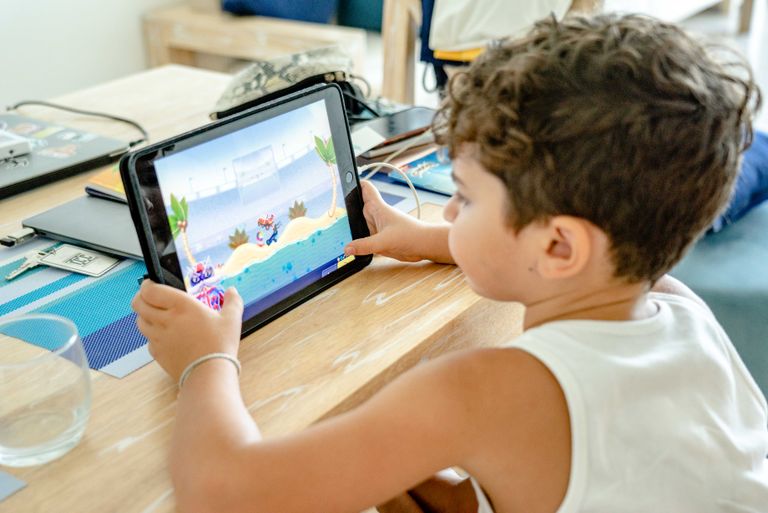



Finding the Right Technology for Your Child
No single app, game, or platform is right for every neurodivergent child. That’s why Digitally Nutritious maintains a searchable database of technology guides designed specifically for neurodivergent kids and teens.
Each guide explains why a tool may be helpful, which skills it supports, what to watch out for, and how to use it intentionally.
The goal isn’t to find “more” technology—but to find better-fit technology that supports your child’s development, strengths, and long-term growth.