Is Your Child Being Diagnosed on TikTok?
Teens are self-diagnosing ADHD and Autism based on TikTok and social media.
ADHD, Autism, and TikTok
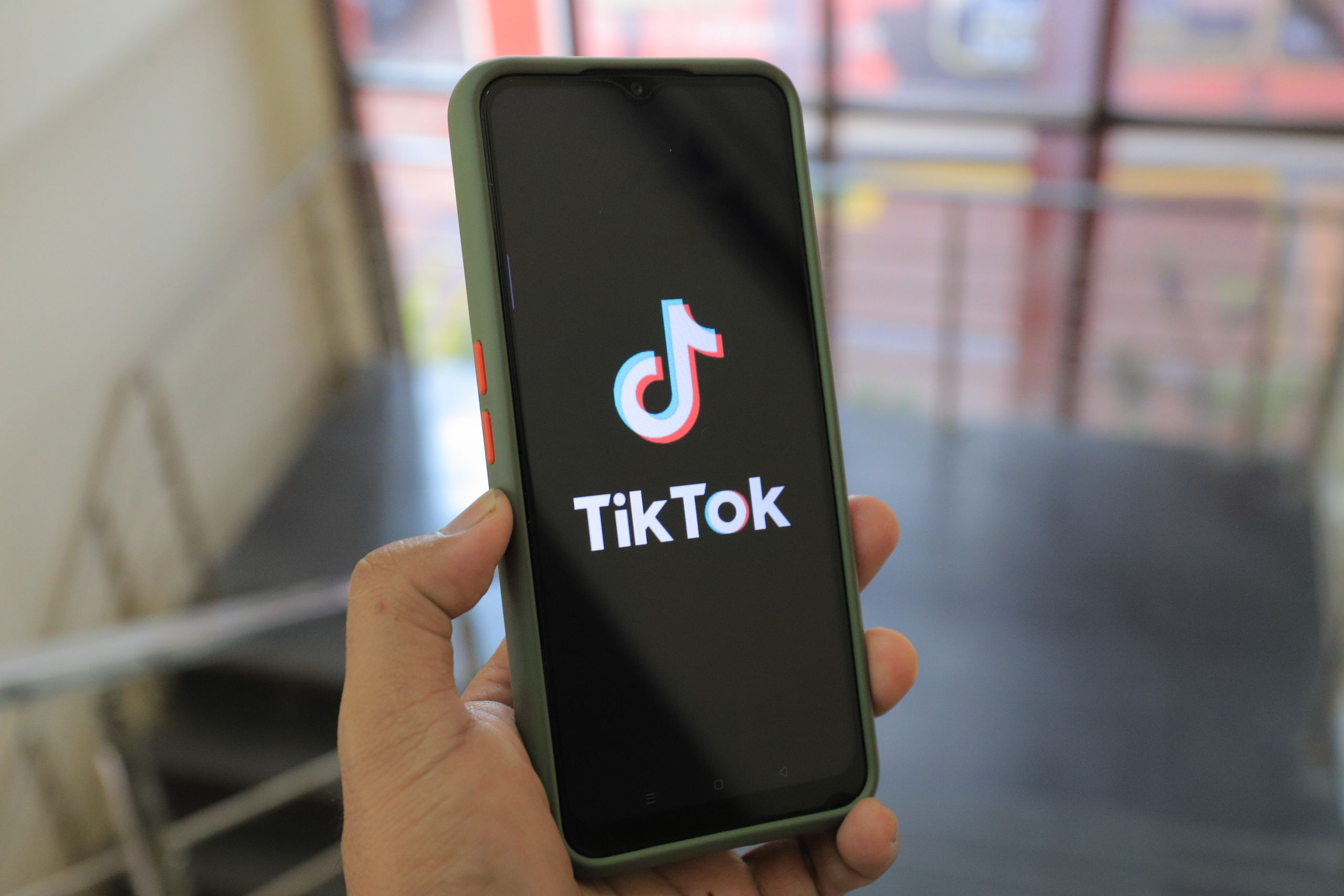
TikTok and other short-video applications have brought a wealth of information about ADHD, autism, and other psychiatric diagnoses to a broad audience. Many recent studies suggest that the increasing conversation and content discussing ADHD and other disorders on TikTok have led to more children being referred to specialists for assessments (Gilmore et al., 2022). ADHD diagnosis on TikTok is something that many clinicians are observing in their work. While this greater awareness of psychiatric concerns is helpful for kids who are struggling at school and in social settings, it may have some unintended consequences. For example, many psychologists and psychiatrists have noticed a trend of self-diagnosis of anxiety disorders and Autism in their clinical practices, and recent studies suggest that these observations are supported by research (Gilmore et al., 2022; Foster & Ellis, 2024; Weigle, 2023). One study suggests that self-diagnosis of ADHD is prolific after engagement with TikTok. A similar finding was found with autism in a study by (Alper et al., 2023). Parents have begun to ask if their child is being diagnosed with ADHD on TikTok.
Can Social Media Influence Diagnosis?
I have observed the impact of children and their parents learning about mental health issues on social media platforms such as TikTok and YouTube. As a clinical psychologist who conducts neuropsychological evaluations, I often meet with families who have questions about whether their child is displaying symptoms that might suggest issues such as ADHD, autism, depression, anxiety, or learning disabilities. I had a recent appointment with a 12-year-old pre-adolescent young woman who was accompanied by her mother. The young woman took charge of the initial diagnostic interview, offering an array of symptoms suggesting ADHD, learning difficulties, clinical levels of anxiety and depression, and a variety of executive functioning struggles. She also mentioned concerns regarding derealization and OCD-like symptoms. Beyond the symptom list, she also questioned whether she had ADHD, autism, and OCD.
Over the course of the diagnostic evaluation, I learned that this young woman was performing exceptionally well in school, was well-connected with her peer group, and engaged in a number of extracurricular activities. At home, she spent much time online, texting friends and using both Instagram and TikTok regularly. Her mother was also engaged with social media and was aware of many of the criteria for diagnoses of ADHD and anxiety issues.
Towards the conclusion of the first session (which turned out to be the last one), I commented that despite the many symptoms, perhaps she might not have all of these disorders. I carefully (or so I thought) suggested that her symptoms might not warrant a clinical diagnosis due to the lack of impairment, her excellent adjustment at school and with her peers, and the absence of any medical or psychosocial struggles. This was met with deafening silence on the part of her mom and the young woman.
Perhaps I was less than open and understanding as I had been overwhelmed by the plethora of pathology presented. It might have been better for me to acknowledge their feelings and highlight the complexities of mental health. It may also have been helpful to encourage the young woman and her mother to focus on their personal experiences rather than relying on what they had seen on TikTok or what an influencer had said about these disorders. While I did attempt to help them understand the spectrum of normal, appropriate emotions and stressors that are typical for preteens and teens, they were confident that these symptoms indicated a clear psychiatric diagnosis. I tried to convey that a mental health disorder significantly disrupts a person’s daily functioning at home, in school, or socially and that it causes high levels of distress and interferes across many settings. Clearly, I did not understand the distress levels of this young woman and her mom.
Why TikTok’s Algorithm May Exacerbate Self-Diagnosis
TikTok, in particular, may be exacerbating the tendencies toward self-diagnosis. It utilizes a somewhat different algorithmic approach, which can be different from other social media platforms. Most other social media apps prioritize showing content from popular creators. However, TikTok tends to look at content specific to the user. If a user has engaged with similar content by commenting on it or spending time with it, TikTok continues to present similar types of content on its “For You” page. This has been described as a “homogeneous dance hall of mirrors,” and is described as fostering an echo chamber effect, which reinforces users’ existing beliefs (Foster & Ellis, 2024).
Unfortunately, many of the short-form videos presented on TikTok and other video-based social media technologies are not always accurate. A recent study suggested that 84% of mental health advice on TikTok videos is misleading (read more here). 52% of the 100 most popular videos about ADHD were classified as misleading, and only 21% were classified as being useful (Yeung et al., 2022). An ADHD diagnosis on TikTok is relatively easy. These studies suggest that complex ADHD symptoms make short-form video an inadequate medium for accurate communication. Beyond my work as a clinical psychologist, I have found that if I ask 10 of my friends if they have problems paying attention, it’s most likely that seven or eight of them, if not all 10, will tell you that “of course” they do sometimes. The truth is that nearly everyone has a little bit of inattention or expresses some degree of stress or sadness, but that does not mean that they should be diagnosed with ADHD, Generalized Anxiety Disorder, or Persistent Depressive Disorder.
Adolescence in the Digital Age
However, adolescence is a time of self-exploration, looking inward, asking questions, and being curious. These are some of the components of the cognitive stage of formal operations that make adolescence an incredible time for learning and creativity (Kurt, 2023). At the same time, when the answers are readily provided by “experts” or, in the case of social media, influencers who may have their own motivations, it can cause high levels of distress and concerns about psychiatric issues.
The Dangers of Misleading Mental Health Advice on TikTok and YouTube
Rather than being curious, these teenagers become overly concerned and search for information online, often on TikTok and YouTube. They may be more likely to self-diagnose based on this information, and if they engage with online communities, they’ll find other individuals who share the same concerns. While it’s encouraging that we are now more open to understanding psychological difficulties and that the stigma surrounding them has decreased, this shift has also led to some challenges. The widespread access to individuals claiming to have these disorders can lead to the misinterpretation of normal feelings as symptoms of a disorder. This misinterpretation may increase anxiety and concern about mental health issues. This could create a self-fulfilling prophecy where individuals begin to exhibit behaviors associated with a disorder simply because they believe they have one.
If I am allowed to be cynical for a moment, the impact of social media on teens and preteens around psychiatric issues has kept me extremely busy over the past half a dozen years. Most of the time, it’s warranted. The demands of school and growing up in a politically charged world, where the adults are not doing a good job of solving environmental, economic, military, and societal crises, cause stress for everyone. Teenagers, who are not yet ready to deal with these issues, can be overwhelmed by their exposure to this information online and via social media. Prior to widespread access to the internet and social media, parents could partially protect their kids from these worries. However, that is no longer the case, and many teenagers experience higher levels of societal and personal stress as a result.
How Adults Can Help Self-Diagnosed Teens
In my office, some of these stressed-out preteens and teens do not present with a clear psychiatric diagnosis. However, recognizing and understanding their struggles is an essential part of my work as a psychologist and that of other clinicians. Some of these individuals may have subclinical levels of these disorders, which means many of the same strategies that work for people diagnosed with ADHD, autism, depression, and anxiety will be helpful for them. Individuals who are legitimately diagnosed with these disorders are likely to benefit from more intensive approaches that might also include strategies such as medication, weekly psychotherapy, and more intensive techniques.
For those with subclinical levels, less focus on diagnosis and pathology and more attention to developing skills might help them cope with their struggles. This includes developing executive functioning, social-emotional learning, and other soft skills such as grit, persistence, and creativity, as well as psychoeducation. Having valid and reliable information is important for enhancing the mental health of teenagers. It can help many adolescents gain a better understanding of themselves. However, social media may hinder the accurate diagnosis of these issues.
Parents and professionals should inform teens and preteens that it’s common for many people to experience stress, difficulties with attention, sadness, social challenges, and fluctuations in school or work performance. Some may even develop physical symptoms like headaches or stomachaches due to life’s pressures. Life isn’t always easy! However, these feelings do not always require a psychiatric diagnosis or intensive treatment. Instead, it is often more beneficial for teens to focus on developing healthy lifestyles, understanding stress, being mindful of their experiences, and learning how to improve themselves.
References
Alper, M., Rauchberg, J. S., Simpson, E., Guberman, J., & Feinberg, S. (2023). TikTok as Algorithmically Mediated Biographical Illumination: Autism, Self-Discovery, and Platformed Diagnosis on #autisktok. New Media & Society, 27(3), 1378–1396. https://doi.org/10.1177/14614448231193091
Foster, A., & Ellis, N. (2024). Tiktok-Inspired Self-Diagnosis and Its Implications for Educational Psychology Practice. Educational Psychology in Practice, 40(4), 491–508. https://doi.org/10.1080/02667363.2024.2409451
Gilmore, R., Beezhold, J., Selwyn, V., Howard, R., Bartolome, I., & Henderson, N. (2022). Is TikTok Increasing the Number of Self-Diagnoses of ADHD in Young People? European Psychiatry, 65(S1). https://doi.org/10.1192/j.eurpsy.2022.1463
How Accurate is Mental Health Advice on TikTok?. Quality Online Doctor & Telehealth Medical Provider. (2024, September 23). https://plushcare.com/blog/tiktok-mental-health/
Kurt, Dr. S. (2023, September 21). Piaget’s formal operational stage of cognitive development. Education Library. https://educationlibrary.org/piagets-formal-operational-stage-of-cognitive-development/
Weigle, P. (2023, May 8). Psychoeducation or Psychiatric Contagion? Social Media and Self-Diagnosis. Psychiatric Times. https://www.psychiatrictimes.com/journals/psychiatric-times/vol-40-issue-5
Yeung, A., Ng, E., & Abi-Jaoude, E. (2022). TikTok and Attention-Deficit/Hyperactivity Disorder: A Cross-Sectional Study of Social Media Content Quality. The Canadian Journal of Psychiatry, 67(12), 899–906. https://doi.org/10.1177/07067437221082854