
Should You Be Concerned That Your Child Is Using AI?
You might not know it, but the answer to that question is a resounding yes. And you need to know about it!
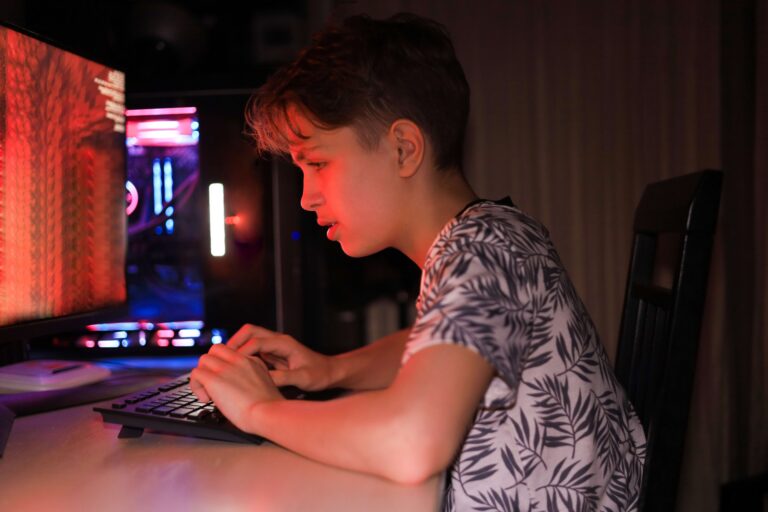
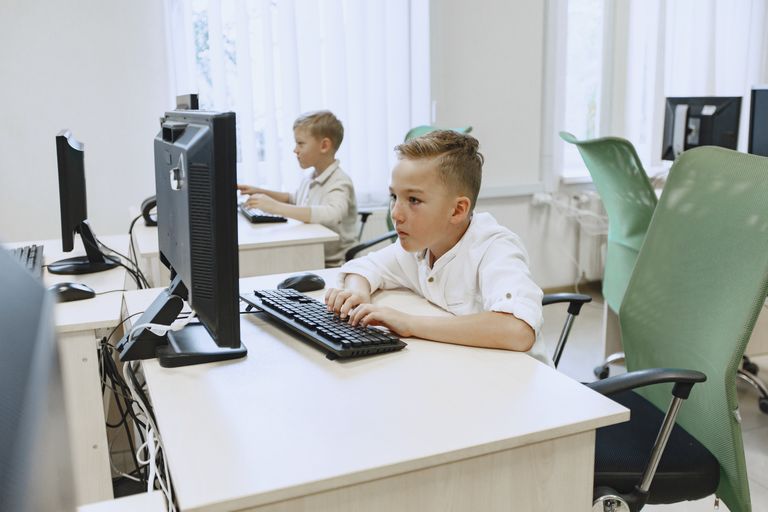
Whether it’s a teenager using ChatGPT or Gemini to help with homework or writing assignments, or a one-year-old listening to music selected by their parents, your child is almost certainly interacting with AI. AI’s presence in children’s day-to-day lives is increasing at an exponential rate. It shows up both directly and subtly—and it’s often the subtle forms that parents notice least.
AI Is Already Woven Into Everyday Parenting
AI is woven into everyday life, often in ways that don’t feel like “AI” at all.
When parents search for music for their one-year-old to listen to, that music may have been created by AI, modified by AI, or selected because an algorithm influenced the parent’s choice. Many parents of younger children are actively trying to keep their kids away from the more obvious forms of AI, but it is becoming increasingly difficult to prevent AI from influencing parenting decisions.
While some forms of AI have been with us for many years, it is only in the past few years that many parents and educators have become aware of its growing impact.
AI Is More Than Chatbots and Companions
When many parents think about artificial intelligence, they are usually thinking about chatbots such as ChatGPT or Gemini—tools that talk, answer questions, help with homework, or sometimes function as a super-powered Google search. These are likely to be the AI that you have used or heard others talking about.
Chatbots and AI companions—best described as computer programs designed to talk, respond emotionally, and feel like a friend—are often what come to mind when people discuss AI. But AI’s presence occurs in many other ways.
AI is far more likely to be built into apps and algorithms that choose what your child sees on YouTube or TikTok, which games are recommended, or which videos play next. It is also present inside games themselves, adjusting difficulty levels, challenges, and rewards to keep kids engaged.
How AI Shapes Attention, Learning, and Behavior
AI can be very useful. It may help with homework by correcting grammar and spelling. Parents often use AI-based tools to track learning, sleep, or daily routines. In many cases, these tools are genuinely helpful.
At the same time, many AI systems are designed to shape attention. They are built to keep kids focused on screens, often for business purposes. This does not automatically make them harmful—but it does make them powerful.
Understanding how AI is influencing attention is one of the most important roles parents can play.
Learning From the Social Media Mistake
In order not to repeat the mistakes adults made when children were given access to social media twenty years ago, it is important to have a better understanding of what AI is and how it works.
AI is changing rapidly—sometimes daily. It is improving itself, being applied to new tasks, and becoming more embedded in everyday life. Parents will need to keep up with it. Parents of neurodivergent children, in particular, will need to keep up with it, as AI is likely to have an outsized impact on them.
At Digitally Nutritious, we cannot overstate the importance of parental involvement. This does not mean trying to restrict children from AI entirely. That would be unrealistic and most likely unhelpful. But engagement in your child’s use of AI—arguably even more so than with previous technologies—cannot be overemphasized.
A Simple Way to Understand What AI Is
Current AI technologies can be best understood as systems that allow machines—computers, apps, and increasingly robots—to perform tasks that usually require humans to think or make decisions. These tasks include recognizing faces, understanding language, spotting patterns, and making predictions.
AI learns from information. Because of this, it can make recommendations, respond to people, adjust tasks or lessons, or change the difficulty of a game based on the individual using it.
One helpful distinction is whether an AI is subtle or overt.
Subtle AI makes recommendations, such as what video to watch next on YouTube, and often feels invisible to children. Overt AI interacts directly with the user—such as chatbots or tutoring programs like Khanmigo—and may feel like a tutor, helper, or even a companion.
Interactive AI vs. Autonomous AI
Another useful way to think about AI is whether it is interactive or autonomous.
Interactive AI responds to what a person asks it to do, such as when a child asks ChatGPT or Gemini a question. Autonomous AI acts behind the scenes, such as when Netflix decides what appears in the “Top Picks” row or when a game changes difficulty without the child requesting it.
Both types influence children—but autonomous AI often shapes behavior more quietly and consistently.
Why This Matters Especially for Neurodivergent Kids
For parents of neurodivergent children, understanding AI is particularly important.
AI has the potential to be extremely helpful in supporting academic learning, executive functioning, organization, and even some aspects of social learning. At the same time, because many AI systems are designed to hold attention, replace effort, or become emotionally engaging, neurodivergent children may face greater risks when using these tools.
AI can amplify strengths—but it can also amplify vulnerabilities.
Another important reason for parents to understand AI is that it can be a valuable source of information. AI tools may help parents learn strategies, understand common needs, explore interventions, find educational resources, and recognize when a child may need additional mental health or therapeutic support.
The Role of Parents Going Forward
Our team at Digitally Nutritious cannot emphasize strongly enough the importance of parents being informed, aware, and actively engaged in how their neurodivergent children use AI.
AI is not going away. But with thoughtful involvement, it can be guided.
We hope that the tools and guidance we provide will help parents feel more confident navigating this rapidly changing landscape—one step at a time.