A Health Play Diet Recipe: LEGOS and Minecraft
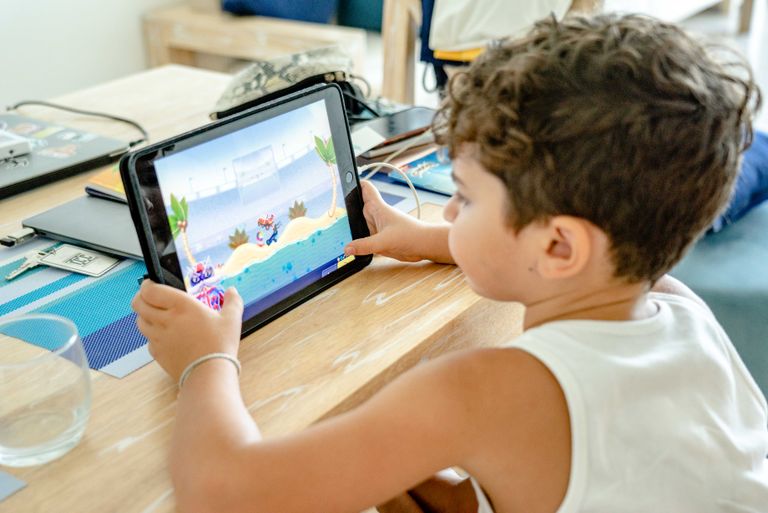
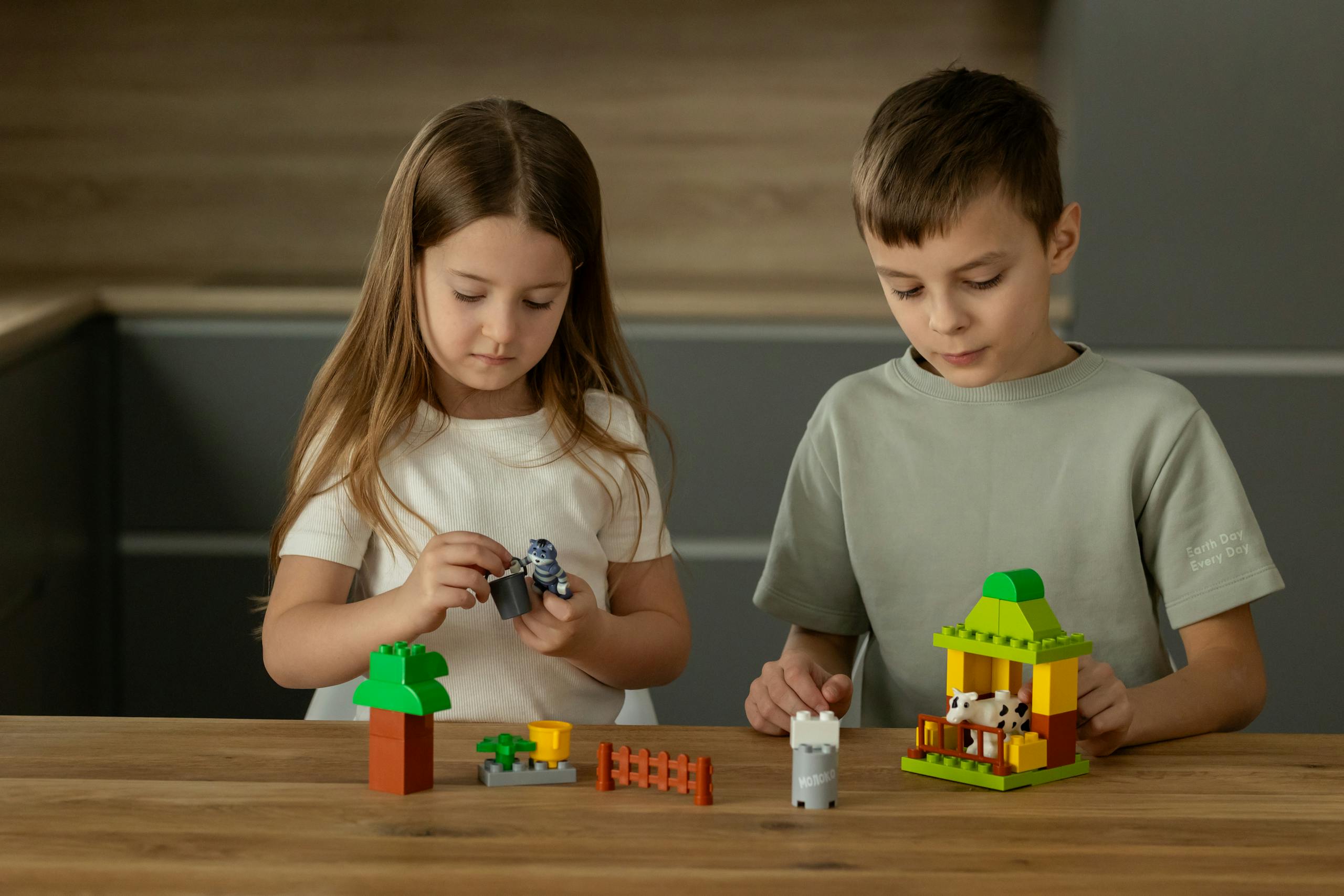
Over the past 15 years, there have been 2 activities that my patients with ADHD almost universally love: Minecraft and Legos. These might be considered two of the best and most nutritious ingredients for a healthy Play Diet. While they started out as play on two different mediums (screen and floor), they are now often intertwined, with kids playing Lego games on screen and building Minecraft structures with Lego blocks.
The Bridge Between LEGO and Minecraft
It’s not hard to see why kids who love Minecraft often love LEGO, too. Both are construction systems — worlds made of small, interlocking parts where imagination and structure coexist.
In Minecraft, children build, plan, explore, and problem-solve inside a digital environment. In LEGO, they do the same thing with their hands. The executive-function skills are strikingly similar:
- Planning — deciding what to build
- Working memory — remembering steps and goals
- Flexibility — adapting when things don’t work
- Persistence — finishing what was started
The key difference is that LEGO keeps the process grounded in the real world. There’s a physical product, a tangible sense of accomplishment, and a natural stopping point. It’s construction play with closure — the kind of satisfaction that’s often missing in endless digital loops.
Given the powerful lure of screens, many parents aim to find real-world activities that neurodivergent kids love and focus on. Because of the crossover between Legos and Minecraft (some experts have praised Minecraft as LEGOS on steroids), it may be easier to use LEGOS as a non-screen-based activity to help your child find new activities that are not screen-based. Consider how kids who play sports-based video games also tend to be more active in playing sports. Perhaps you could encourage your child to watch nature TV shows in an effort to get them engaged in other forms of healthy play, such as going for hikes. Doing, more so than watching, makes for a better Play Diet recipe. So think about LEGO play as one method to make hands-on play a more frequent activity for your child.
Why Hands-On Building Still Matters
In an age of AI and automation, it’s easy to overlook how important making things still is for human development. When children build with their hands, they learn cause and effect, sequencing, and persistence. They experience trial and error in a form that feels safe and even fun.
That’s the essence of what we mean by digitally nutritious: experiences that engage the mind and body, that encourage reflection and connection, that build skills rather than just occupy attention. LEGO delivers all of that — without needing a screen, a password, or a power cord.
Family LEGO Time as a Digital Reset
One of the simplest ways to rebalance your family’s play diet is to make LEGO a shared activity. A family build invites focus and conversation. Everyone’s hands are busy, and the energy shifts — calmer, more connected, less distracted.
You might find that your child takes the lead in organizing LEGO play. There’s a rhythm to the clicking of pieces, the laughter when something topples, and the pride when something works. That’s play as nourishment.
Takeaways for Parents
- Add LEGO to your child’s regular “play diet.” Treat it as a food group — something that nourishes concentration, patience, and creativity.
- Connect digital and physical play. Use Minecraft or other building games as inspiration for real-world projects. Let ideas travel both ways.
- Emphasize process over product. What matters isn’t the finished model but the persistence, planning, and flexibility it takes to get there.
- Make it social. Invite siblings or parents to build together. Shared attention can strengthen focus and reduce conflict.
- Use LEGO as a reset. After long stretches of screen time or homework, a few minutes of building offers a sensory and emotional cooldown.
LEGO play feeds the same parts of the brain that digital building games engage — but it does so in real space, at real speed, and with real satisfaction. It’s low-tech but highly nutritious: hands-on, imaginative, grounding, and endlessly renewable.
In a world of screens, LEGO reminds us that some of the best learning still happens one brick at a time. If playing Minecraft spurs more hands-on play, go for it. Just don’t let it become your child’s only activity.