
What to Do About Screen Time This Summer with Your Neurodivergent Kid
Six Ways to Build a Healthy Play Diet for Your Neurodivergent Child This Summer
Whether your child has already started summer vacation or is about to, you’re probably looking for things to keep them busy. In the best of worlds, parents don’t have to work, have plenty of money and resources, and live somewhere with abundant summer activities. Beaches, hiking trails, parks, nearby relatives, friends, and camps are close by. And your kids are excited and willing participants.
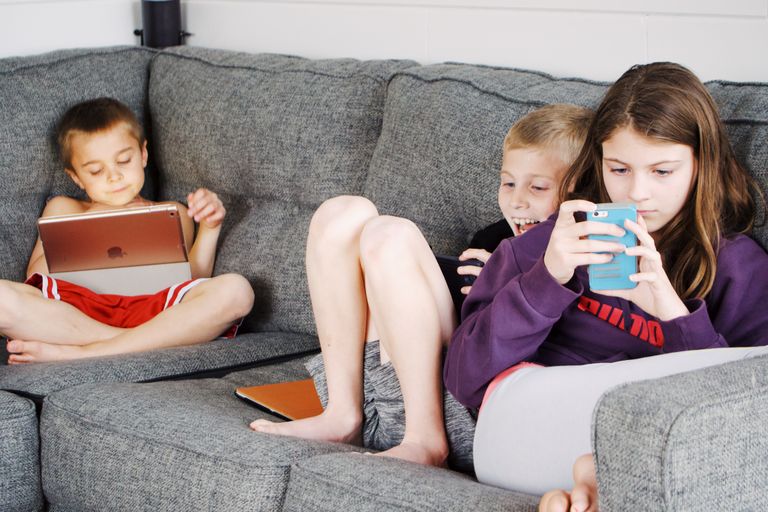
But if you’re parenting a neurodivergent child, you know it can play out differently. Your child wakes up and reaches for the iPad. They want to scroll TikTok, dive into Minecraft, or stream the same YouTube creator they were watching yesterday. You suggest a hike, a friend’s house, the pool. The answer is no. The answer is no all summer if you let it be. What should you do about screen time this summer?
The first thing to know is that this isn’t really about your child being undisciplined or you being a permissive parent. Screens are engineered to be the path of least resistance, and for neurodivergent kids, the pull is amplified. Children with ADHD show altered reinforcement sensitivity, meaning they respond more strongly to immediate rewards than typically developing children, and they tend to prefer smaller, immediate rewards over larger delayed ones (Luman et al., 2010). Short-form video platforms like TikTok and Instagram Reels are essentially a delivery system for immediate, variable rewards. They were built to be hard to put down. For a kid with ADHD whose brain is already wired to chase that exact pattern, they’re even harder to put down. This isn’t a moral failing. It’s a design problem meeting a brain that’s particularly susceptible to that design.
The research bears this out beyond ADHD as well. Excessive social media use is associated with increased anxiety and depression in teenagers (Haidt, 2024), and too much scrolling on short-form video can reduce capacities for attention and focus (Cole et al., 2025). For kids with autism, anxiety, or learning differences, screens often serve as relief from social demand, sensory overload, or academic pressure. That relief is real and meaningful, and we don’t want to ignore it. But when the screen becomes the only relief, the other developmental work your child needs simply doesn’t happen.
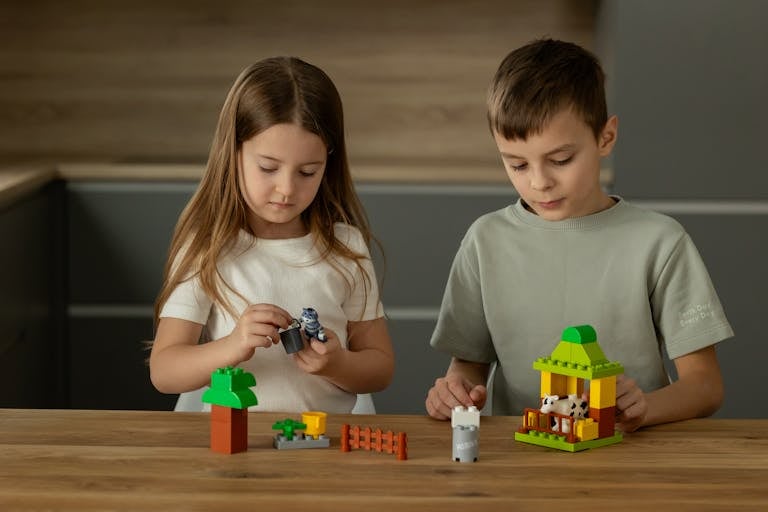
This is why at Digitally Nutritious we focus on building a Play Diet rather than imposing screen time limits. The concept is simple: children learn through play, and they need variety. We divide play into five categories: social play, physical play, creative play, free (unstructured) play, and digital play. Just like a food diet, balance matters, and the right balance depends on the child. Not all neurodivergent kids are the same, even within the same diagnosis. Your child’s profile, current stress, and interests determine what their Play Diet needs to look like. The goal isn’t equal portions across all five categories. It’s making sure no single category, especially digital, is crowding out everything else.
For neurodivergent kids, one of the most useful things you can do this summer is lean into the categories of play that match how your child’s brain works. Many neurodivergent kids, especially those with ADHD, have a powerful combination of high activity levels and the capacity for deep focus when an activity actually captures them. Find what captures them. Water sports are often a winner (swimming, kayaking, fishing, surfing, paddleboarding) because they provide physical movement, sensory input, and enough novelty to hold attention. Rock climbing, hiking with a destination (a waterfall, a fire tower, a swimming hole), treasure hunts, geocaching, biking, and skateboarding all work for similar reasons. They demand complex body movement and reward focused engagement. Many kids who can’t sit still in a classroom can absolutely focus for an hour on the next handhold up a climbing route.
Here are six strategies for building a Play Diet that works for your neurodivergent child this summer:
Discuss, don’t impose. Ask your child what they wish their summer looked like, then negotiate from there. Imposed schedules tend to fail with neurodivergent kids who already feel controlled by school all year.
Be prepared with specific alternatives. “Go outside” doesn’t work. “We’re going to the climbing gym Tuesday at 4” works. Specificity removes the decision-making demand.
Structure screen-free windows. Most families find eliminating morning screen time helps the rest of the day go better. For neurodivergent kids, the predictability of “screens come on after 4” is more regulating than open-ended limits.
Walk the walk. Your child sees what you do far more than they hear what you say. Let them see you reading, hiking, gardening, doing something that isn’t a screen.
Educate your child about how screens work. Many older neurodivergent kids appreciate knowing they’re being designed against. Helping them name the mechanism (variable rewards, infinite scroll, algorithmic personalization) often makes them more willing to push back against it themselves.
Invest in activity-based experiences that match your child’s profile. This is where money, when you have it, makes a real difference. Climbing gym memberships, swimming lessons, a fishing pole and a regular weekly trip to the lake, a summer day camp that does physical activities. If money is tight, free options work too: nature hikes with a goal, geocaching, library programs, park and recreation activities, a treasure hunt you design in the backyard, swimming at the public pool.
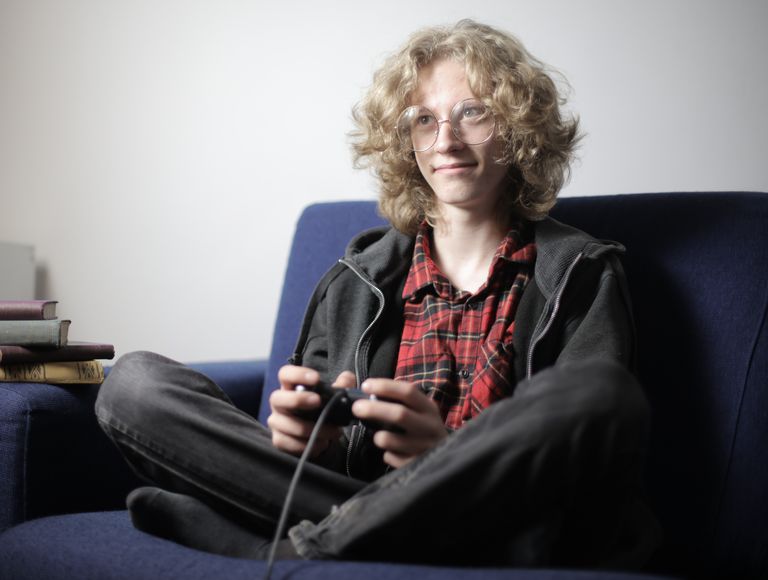
A healthy Play Diet doesn’t eliminate screen time, and it shouldn’t. A movie night, a long car trip with a tablet, a Minecraft session with cousins, a streaming show watched together: these are family-building, regulating, sometimes essential. Flexibility matters. So does recognizing what your child genuinely needs from screens and finding non-screen versions of the same need when possible. Our argument isn’t that screen time is destructive. It’s that the absence of those other kinds of play is what does the real harm. Build the rest of the menu, and the screen time settles into its proper place.
References
Cole, B., Santana, A. D., Hu, X., & Hopp, T. (2025). TikTok Usage Effects on Attention to News Reading: An Eye-Tracking Study. Journal of Broadcasting & Electronic Media, 69(4). https://doi.org/10.1080/08838151.2025.2509747
Haidt, J. (2024). The Anxious Generation: How the Great Rewiring of Childhood Is Causing an Epidemic of Mental Illness. Penguin Press.
Luman, M., Tripp, G., & Scheres, A. (2010). Identifying the neurobiology of altered reinforcement sensitivity in ADHD: A review and research agenda. Neuroscience & Biobehavioral Reviews, 34(5), 744-754.