
7 Ways to Stop, and Transition Off Screens (Without a Fight)
Parents often tell our Digitally Nutritious team that the most stressful part of screen time isn’t the screens.
It’s getting their child off the screen.
And for many neurodivergent kids, stopping doesn’t feel like a simple request. It can feel like losing a world they were deeply absorbed in—right in the middle of something important.
Why screens are so hard to stop
Before blaming your child (or yourself), it helps to understand the power of screens.
Many screen-based activities:
- don’t have logical stopping points
- keep goals unfinished (levels, streaks, cliffhangers, quests)
- pull attention through multiple channels (visual, sound, action, social feedback)
- make the next activity feel boring by comparison
For neurodivergent children, transitions also require executive functions—time awareness, cognitive flexibility, impulse control, and emotion regulation. Those are exactly the skills many of these children are still developing.
When a parent says “time to stop,” the child isn’t merely stopping a fun activity.
You are asking a neurodivergent child, who is finally focused, engaged, and attentive, to change their brain state. And you are telling them to stop. Don’t forget, their technologies tell them, “Don’t stop!!”
Before getting upset with your children, consider how hard it is for many adults to transition to another activity after watching just one Netflix show or to stop scrolling through social media, even with fully developed executive functioning skills.
What do we mean by a “good transition”
A good transition isn’t perfect compliance.
It’s a shift that is:
- predictable
- calm (most of the time)
- respectful
- repeatable
- and doesn’t require you to escalate to get cooperation
7 patterns that make transitions easier
1) Start before the screen starts
Discuss the stopping plan before your child logs on.
Ask:
- “What will make stopping hard today?”
- “Do you want a 5-minute warning, 10-minute warning, or both?”
- “What should we do right after you stop?”
This gets buy-in while their nervous system is still flexible.
2) Use warnings that don’t instantly trigger a fight
Alarms work for some kids. For others, they feel like a threat.
Try warnings that feel collaborative or even playful.
You can also use a personalized cue—like a short voice recording in a funny tone, or (for personal use) a “character reminder” created with AI. The point isn’t the gimmick. The point is making the cue feel less like control and more like a routine.
3) Build a “bridge” activity
Many kids can’t go from peak engagement straight into homework, bed, or chores.
A bridge can be simple:
- snack
- quick movement
- a short conversation
- a predictable routine (shower, music, pet time)
This is nervous-system design, not bribery.
4) Move spaces
Transitions improve when you change the cues.
Move from:
- bedroom → kitchen
- couch → outdoors
- desk → a different room
It breaks the momentum and makes “screen mode” less automatic.
5) Practice transitions when the stakes are low
Transitions are a skill.
Practice them with easier activities:
- leaving the dinner table
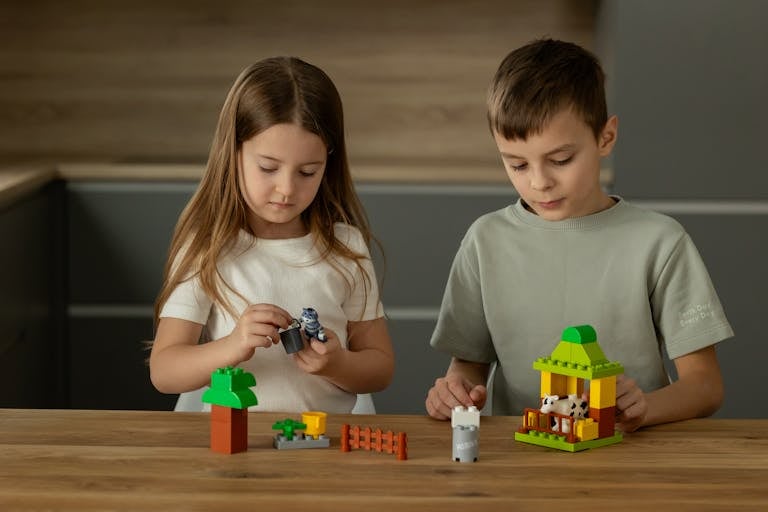
- ending Lego time
- turning off music
- coming inside from outdoors
Praise the effort. Help your child notice: “You did it. You shifted gears.”
6) Reward effort (especially early on)
If your child makes a smooth transition, reinforce it.
That reinforcement might be:
- praise
- a point system
- extra time later (not immediately)
- a privilege connected to something healthy (playground, board game, walk)
7) Use consequences as a backstop—not the main plan
Consistency matters. But consequences work best when they’re:
- calm
- predictable
- not extreme
- and not delivered in the middle of a meltdown
If you have to shut off a device, give a brief warning, allow saving, and keep your tone neutral. The goal is not to “win.” The goal is to make transitions safer and more routine over time. Don’t threaten to eliminate technology. That’s not going to happen. Try to get through the situation. Then learn more about long-term global strategies, such as Play Diets, effective use of screen monitoring tools, and building healthy screen time habits with our Digitally Nutritious tools