The Future Is Fast: ADHD in an AI World
Many of the traits that frustrate parents today—energy, curiosity, and the need for excitement—may be the very ones that fit the world of tomorrow.
Are you frustrated by your child’s inattention to schoolwork and chores? Do you have to remind him to focus on homework rather than an online video game?
Parents of kids with ADHD often spend so much energy getting their children to follow rules, complete assignments, and behave like everyone else that they overlook their strengths. Yet many of the same traits that cause problems in school may be exactly what a future with AI and other emerging technologies will reward.
⚡ When the Future Speeds Up, Fast Brains May Have an Edge
Science fiction writers and futurists have predicted that many routine and repetitive jobs will soon be handled by robots or artificial intelligence. Their predictions look like they are already here.
The human work that remains will demand creativity, adaptability, and a willingness to try new things. These are the qualities that describe many kids with ADHD at their best. When we help children with ADHD find the right fit in their learning, interests, and activities, their fast, curious minds. The bottom line-the world is speeding up—and some ADHD brains already know how to move at that pace.
🌍 An Adaptive Brain for a Changing World
Kids with ADHD are naturally drawn to change, uncertainty, excitement, and creativity. These aren’t flaws—they’re adaptations to a world that is emerging, unfolding, and constantly reinventing itself. That describes a world in which AI tools are accelerating the pace of technology development at unprecedented speeds.
This wiring once served our ancestors well. In hunter-gatherer societies, people who noticed novelty and acted quickly were the scouts and explorers who kept the group alive. Today’s ADHD child, who can’t sit still in class but springs into action when there’s a problem to solve, may carry that same adaptive spark.
In a fast-paced and unpredictable environment, the ability to pivot quickly and stay energized by change can be a significant advantage.
💻 Technology that Captures the Interest of Kids with ADHD
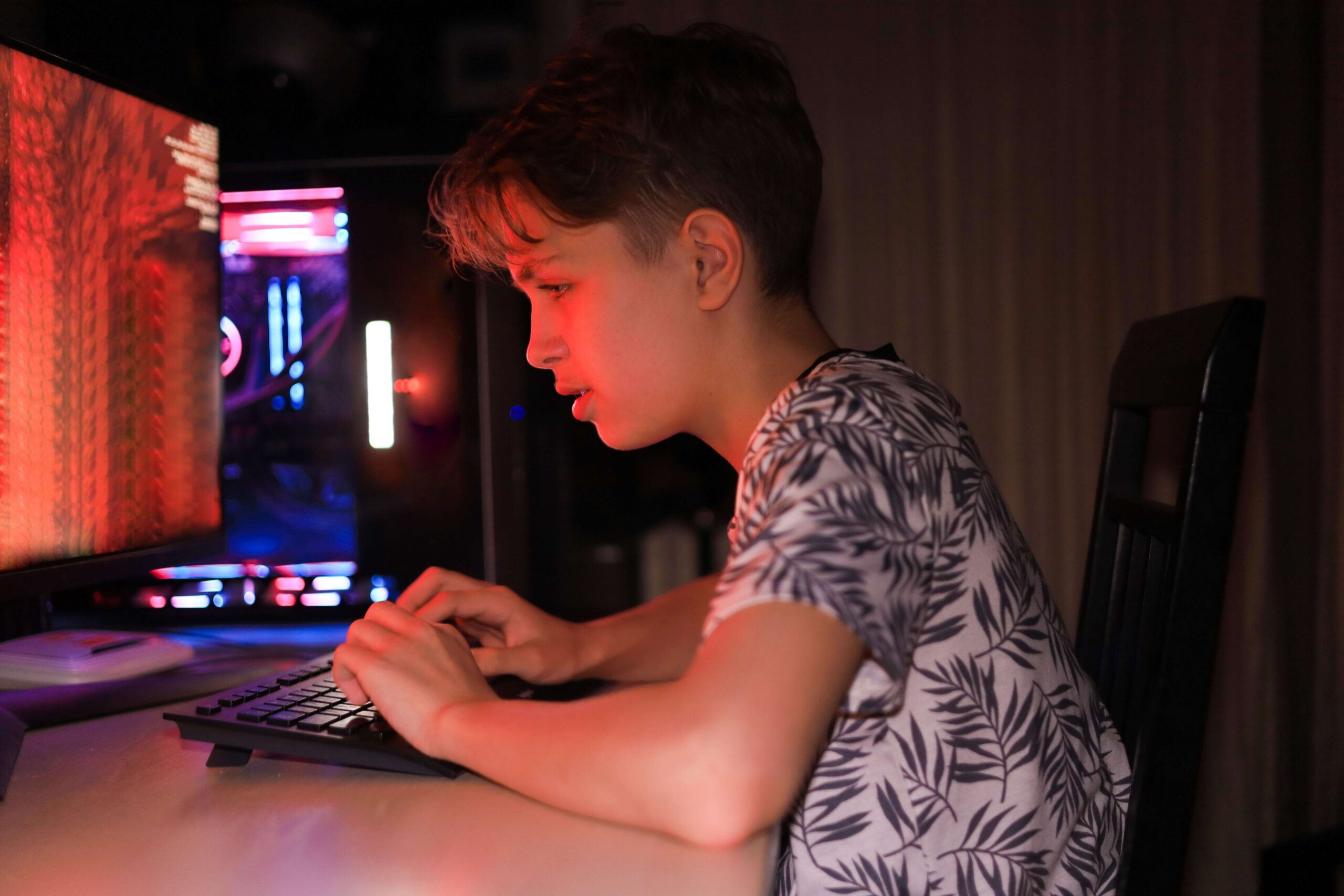
Parents often worry that their child is too focused on screens. But kids with ADHD don’t have a deficit of attention—they can focus intently on areas of interest. What holds their focus is intensity, novelty, and feedback, which are exactly what technology delivers.
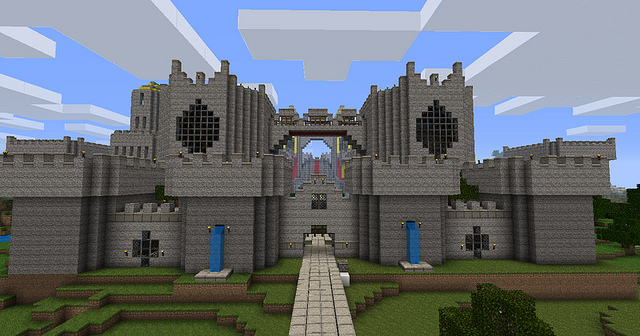
The same fascination that keeps them glued to Minecraft or Fortnite can also teach valuable skills. Many games require planning, organization, collaboration, and flexible problem-solving.
Transferring this game-based interest to real-world learning is often the key to making technology healthy for kids with ADHD. A child who loves Minecraft may one day be drawn to careers in construction, engineering, design, or computer science. The goal isn’t to remove technology, but to steer that interest toward creating, not just consuming.
Encourage your child to design a level, build something physical inspired by a game, or learn how a favorite app was made. That curiosity about how things work can lead to practical,
🚀 Risk, Curiosity, and the Drive for Discovery
Many children with ADHD crave excitement and sometimes worry their parents with risky stunts—jumping off furniture, trying new tricks on a skateboard, or racing downhill on a bike.
These behaviors can be scary, but they also reveal a brain that comes alive in the presence of challenge. Researcher Richard Friedman describes ADHD as a “problem of boredom.” Kids with ADHD are often hard-wired for novelty-seeking. This may have helped our ancestors survive by scanning for new opportunities or dangers, but it doesn’t help in a sit for 7 hours classroom setting. It does, however, fit in a world that is quickly changing.
In the modern world, this same trait can translate into courage, curiosity, and innovation. The child who thrives on challenge may grow into an adult who tackles complex, unpredictable work. AI is unlikely to have much of an impact on jobs in fields such as emergency medicine, firefighting, entrepreneurship, or in the field science. Rather than stamping out risk-taking, we can help ADHD kids learn to channel it into productive exploration.
💡 Focusing on ADHD Strengths
While ADHD involves real challenges with sustained attention, organization, and follow-through, those difficulties can be balanced when children engage in activities that light up their brains.
The key is to give them experiences that are fast-moving, meaningful, and personally rewarding.
Parents can do a lot to shape these opportunities:
1. Engage in structured, stimulating activities that match their energy.
Channel motion into sports, theater, music, or building projects where movement and excitement are part of the task.
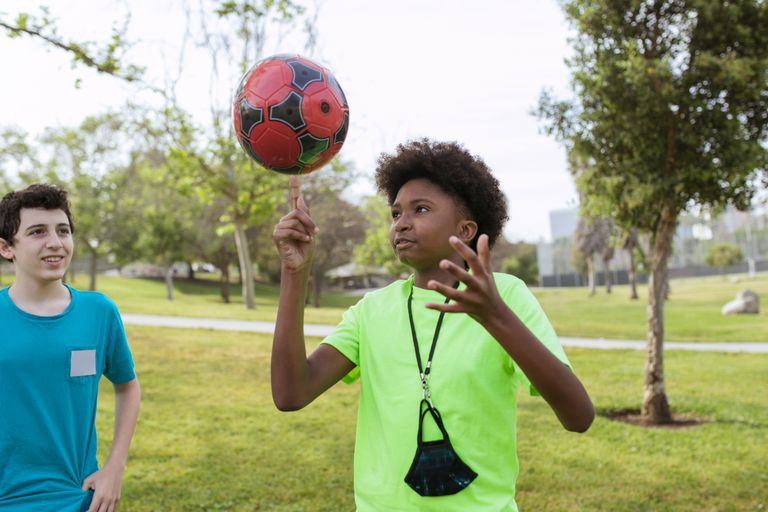
A child who can’t sit still might thrive in soccer or dance. Another might focus beautifully while cooking, rock climbing, or doing a science experiment.
2. Use technology purposefully rather than passively.
If your child loves screens, guide that energy toward learning and creation.
Encourage video or podcast projects, basic coding, animation, or game design. Show them how the tools they love are made. These activities satisfy curiosity while building real-world skills.
3. Link interests to real-world possibilities.
When a child is obsessed with video games, talk about the artists, engineers, and storytellers who create them. A love of building with Legos or playing Minecraft may grow into a career in architecture or robotics; a fascination with cars could evolve into a career in mechanics or engineering.
Each of these strategies turns “fast brain” tendencies into strengths. When kids with ADHD can see tangible results for their effort and feel excitement in their learning, their attention follows naturally.
🌟 A Future Built for Motion
The world our children are entering is dynamic, adaptive, and generative. Change will be constant, and success will depend less on doing the same task every day and more on solving new problems, collaborating, and creating.
For many kids with ADHD, that’s not a future to fear—it’s a future that may finally fit the way their brains work.
Our job as parents and educators isn’t to slow them down but to help them move in the right direction—balancing stimulation with structure, risk with responsibility, and play with purpose.