Overview
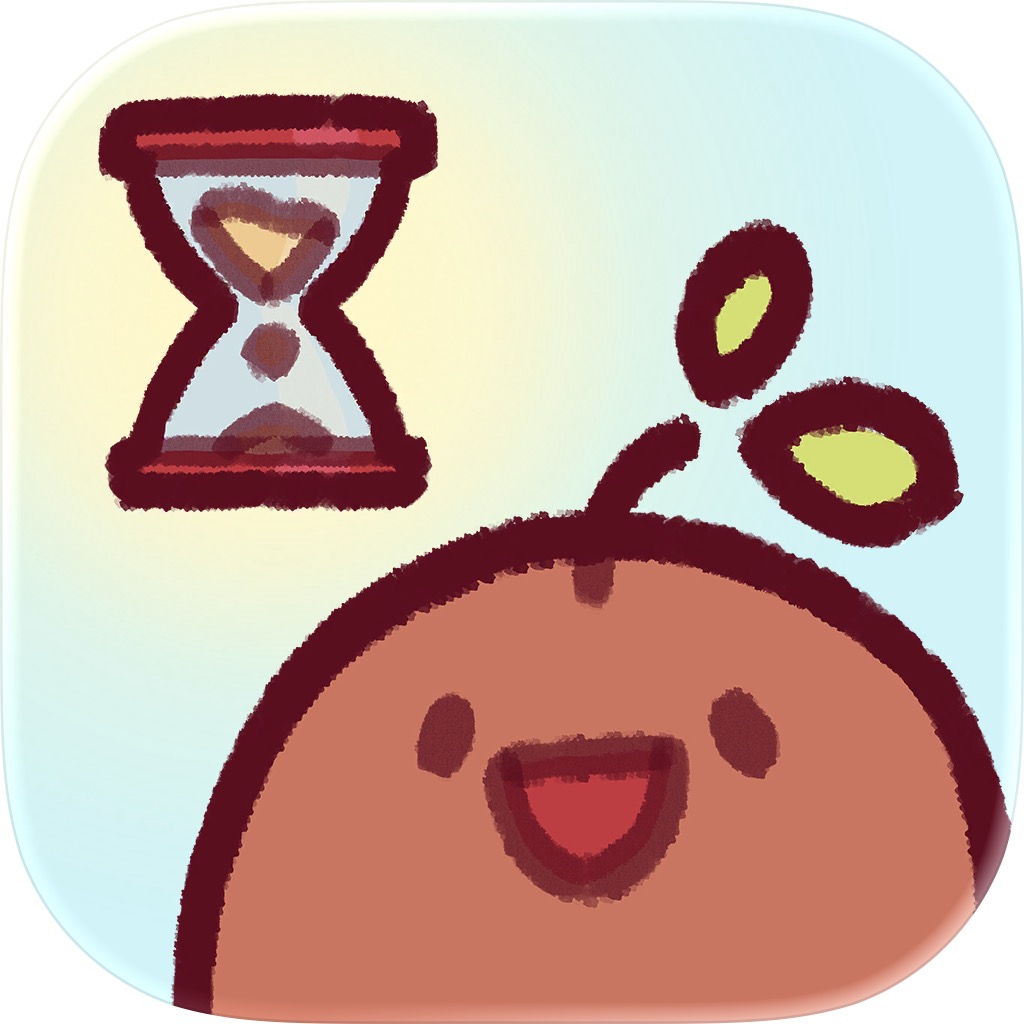
Focus Friend is a gamified Pomodoro-style focus timer developed by B-Tech Consulting Group and publicly championed by YouTuber and author Hank Green. The app launched in July 2025 and within weeks surged to the No. 1 spot on the Apple App Store free chart, surpassing ChatGPT, with over 500,000 downloads on Google Play alone. It received an Apple App Store Awards Cultural Impact recognition for 2025 and was designed explicitly as an “ADHD-friendly focus timer.”
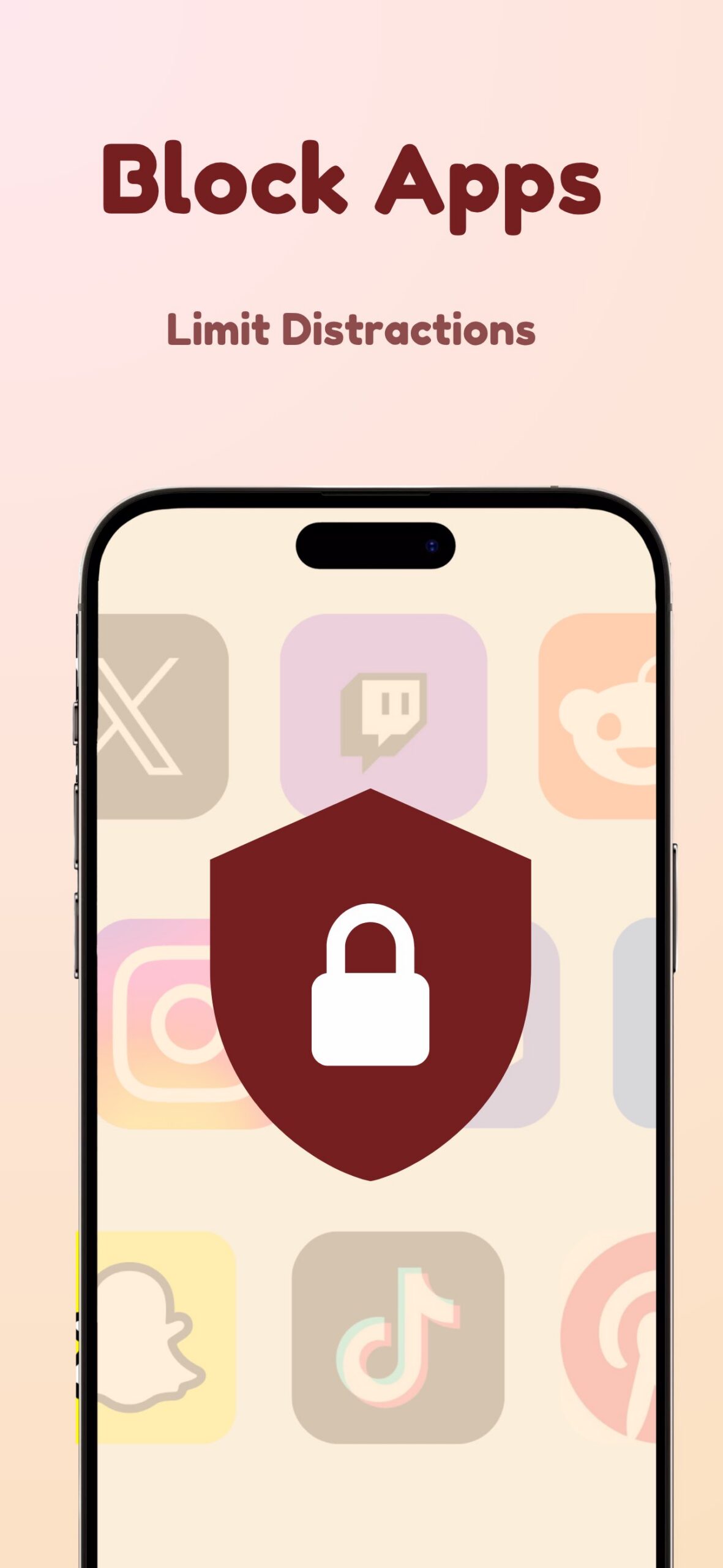
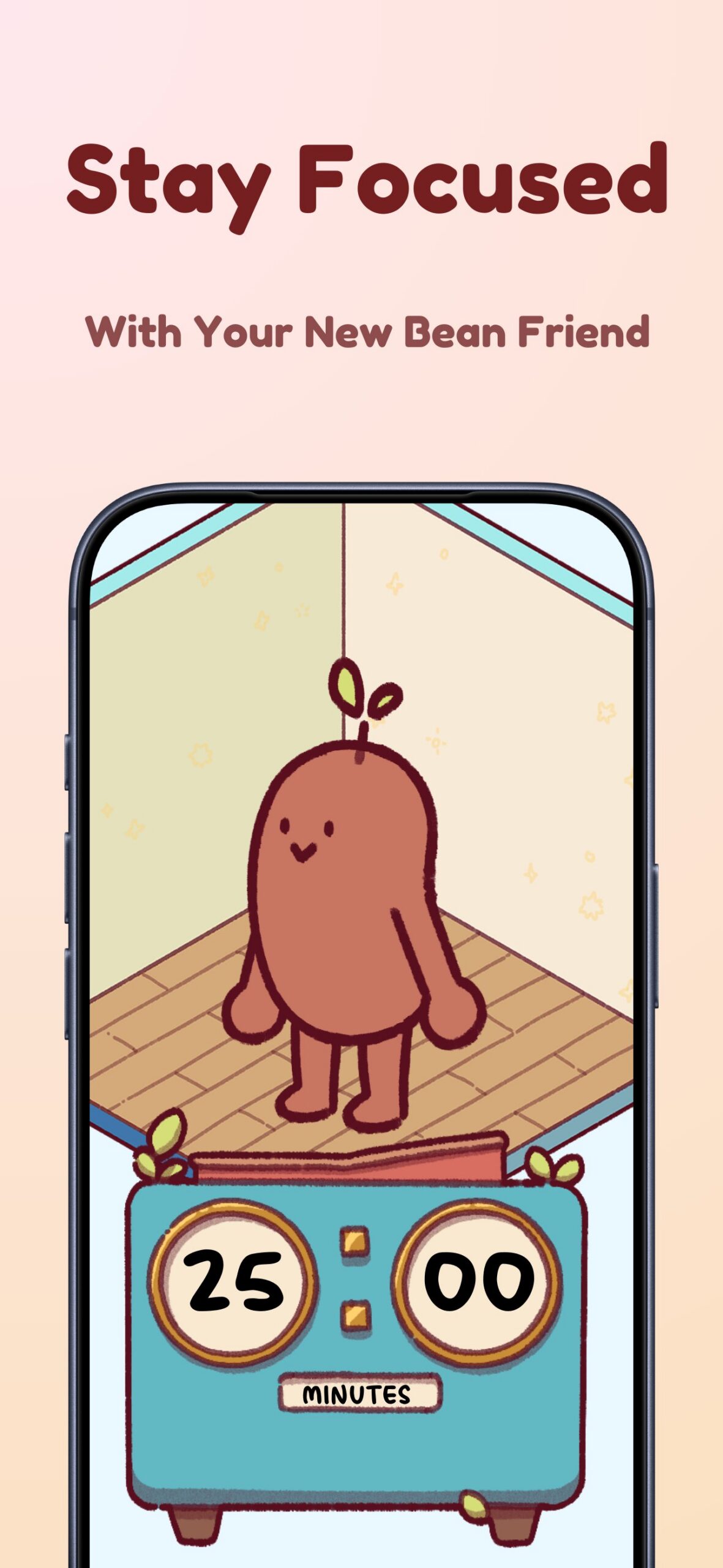
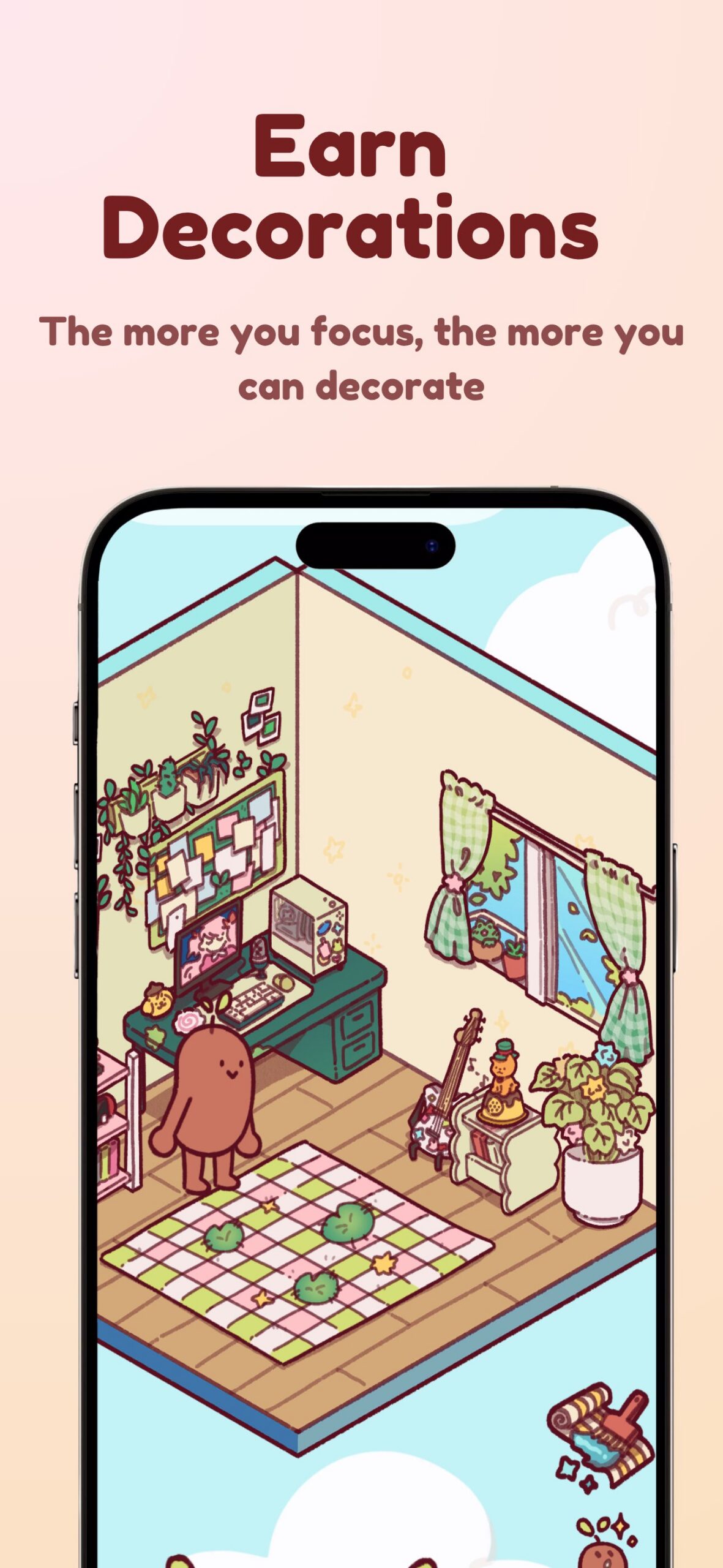
The core mechanic is simple: users set a timer, and their customizable cartoon Bean character begins knitting socks and scarves as long as the phone is left alone. If the user picks up the phone and stops the timer, the Bean drops its needles and looks visibly sad. Complete the session undisturbed, and the Bean rewards the user with in-game currency to buy decorations for the Bean’s growing home (currently five rooms, with expansions ongoing). Deep Focus Mode, available with Focus Friend Pro, goes further by blocking designated distracting apps during sessions. The app also supports the Pomodoro method through structured break timers, a Live Activity lock-screen timer, and a count-up stopwatch mode for open-ended tasks.
There is no peer-reviewed research base attached to Focus Friend. The app is not clinically designed, is not co-developed with mental health professionals, and makes no therapeutic claims. What it does have is a psychologically coherent mechanism: it reframes phone use as an act of care toward a dependent character, substituting the dopamine pull of scrolling with the reward of earning in-game decorations, and pairs that with a low-stakes emotional consequence — the sad Bean — as a deterrent to interruption. For a straightforward focus tool, that is an honest and defensible proposition.
Who is this best for?
Focus Friend is best suited for children, teens, and adults — roughly ages 9 and up — who struggle to put their phones down during work or study sessions. It is particularly well-matched to individuals with ADHD who respond well to immediate, concrete rewards and who find traditional timers cold and abstract. The app is not a therapeutic tool, does not include mental health features, and should not be positioned as a clinical intervention; its value is specifically as a habit-formation and focus-support aid for people whose phone itself is their primary distraction. For younger children (under 9) or those with more significant executive function challenges, adult scaffolding to set the timer and explain the mechanic at the outset will improve uptake considerably.
Why Focus Friend Helps
The central challenge in ADHD-related task persistence is not a deficit of intention — it is a deficit of motivation that is neurobiologically driven. The ADHD brain’s dopaminergic regulation requires more immediate or emotionally salient reward signals to sustain effort than the neurotypical brain does. Abstract future outcomes (“finish this assignment”) generate insufficient activation; concrete, immediate consequences and rewards are far more effective.
Focus Friend is built on exactly this principle. The Bean creates two motivational levers simultaneously: avoidance of a mild emotional consequence (the Bean looks sad and drops its work if the timer is interrupted) and pursuit of a positive reward (decorations earned by completing sessions). Both levers operate on the short time horizon that ADHD motivational systems respond to. The app also makes the phone itself part of the solution rather than the problem — rather than requiring the device to be put in another room, it creates a reason to keep the phone visible but untouched, which is more sustainable for many ADHD users in practice.
The Deep Focus Mode app-blocker provides an additional executive function support: it removes the decision-making burden of resisting specific apps by making them temporarily inaccessible. For adolescents and adults who know intellectually they should stay off social media but cannot reliably act on that knowledge, reducing the number of active choices required to stay on task has meaningful practical value. The Live Activity lock-screen timer similarly externalizes time tracking, reducing the need to hold time awareness in working memory — a known weakness in ADHD.
How to Use It with an ADHD Lens- Set the timer together initially. Children and adolescents with ADHD may need an adult to help set the first few timers and explain the Bean’s emotional response. Once the mechanic clicks, most kids engage independently and even protectively.
- Match session length to current capacity, not aspirational capacity. A 10-minute session the child actually completes produces more skill-building than a 45-minute session interrupted four times. Start conservatively and increase as the child builds stamina.
- Use Deep Focus Mode (Pro) for the highest-distraction apps. Identify the two or three apps the child most commonly drifts to — typically social media, YouTube, or games — and add them to the block list. This removes the most tempting exits without requiring active willpower.
- Frame the Bean as an accountability partner, not a punishment mechanism. The emotional consequence of a sad Bean is most effective when the child experiences mild regret — not shame. If a child is distressed by a sad Bean, shorten session length so they can succeed more consistently.
- Pair with a written task list, not just the timer. Focus Friend provides motivational structure but does not break tasks into steps. Combine it with a brief list of what the child is focusing on during each session so the timer has a clear purpose.
Limitations and Things to Watch For
- No clinical evidence base. Focus Friend has not been studied in peer-reviewed research and was not co-designed with mental health clinicians. The gamification principles it uses are consistent with ADHD motivational theory, but caregivers should not expect the same rigor as clinically validated apps.
- Effectiveness is contingent on phone-as-distractor being the core problem. If a child’s attention challenges are primarily driven by internal distraction — mind-wandering, intrusive thoughts, sensory sensitivity — rather than phone use, Focus Friend addresses only a small part of the picture.
- In-game content may be exhausted quickly. Multiple user reviews note that the Bean’s home fills up within days of regular use, temporarily reducing the reward incentive. The developers are actively adding content, but caregivers should be aware that novelty-based motivation may plateau as decoration goals are met.
- The app is still in active development. Focus Friend launched in mid-2025 and updates frequently. Occasional bugs and rapidly evolving content are consistent with an early-stage app, which may or may not be suitable for children who are sensitive to change.
- No support for children with complex needs. The app contains no safety features, crisis resources, or mental health content. It is a productivity tool and is not appropriate as a primary support for children experiencing significant mental health difficulties.
- Premium features require subscription or purchase. The free version is functional, but app-blocking (Deep Focus Mode) and a 3x sock multiplier require Pro. Families should factor this into their recommendation.
Bottom Line
Focus Friend is not a clinical tool and does not pretend to be one. What it is — a psychologically coherent, emotionally engaging focus timer that harnesses the ADHD brain’s need for immediate reward and low-stakes emotional stakes — makes it one of the more practically useful phone-distraction interventions currently available to families. Its evidence base is behavioral theory rather than clinical research, and its limits are real: it only addresses phone-as-distraction, its content library is still growing, and it is not designed for children with complex executive function needs. Used as one component of a broader ADHD support toolkit rather than a standalone solution, it is a genuinely well-constructed and accessible tool that many ADHD children and teens will actually want to engage with.
Related Guides








Join our Newsletter!
Related Articles