
Mightier
https://www.mightier.com
Overview
Mightier is a set of video games that a child plays while wearing a heart rate sensor on the arm. It grew out of a research program at Boston Children’s Hospital and Harvard Medical School, where psychologist Jason Kahn and psychiatrist Joseph Gonzalez-Heydrich built a game called RAGE-Control for kids with serious anger problems. Their company, Neuromotion Labs, now sells it as Mightier.
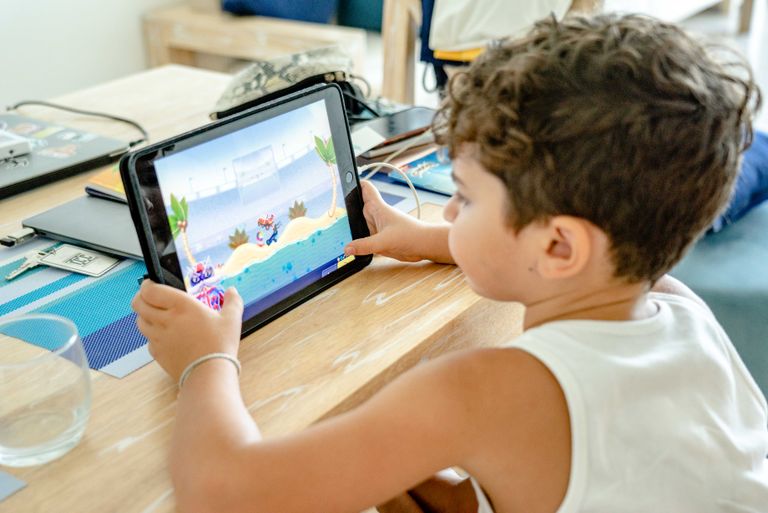
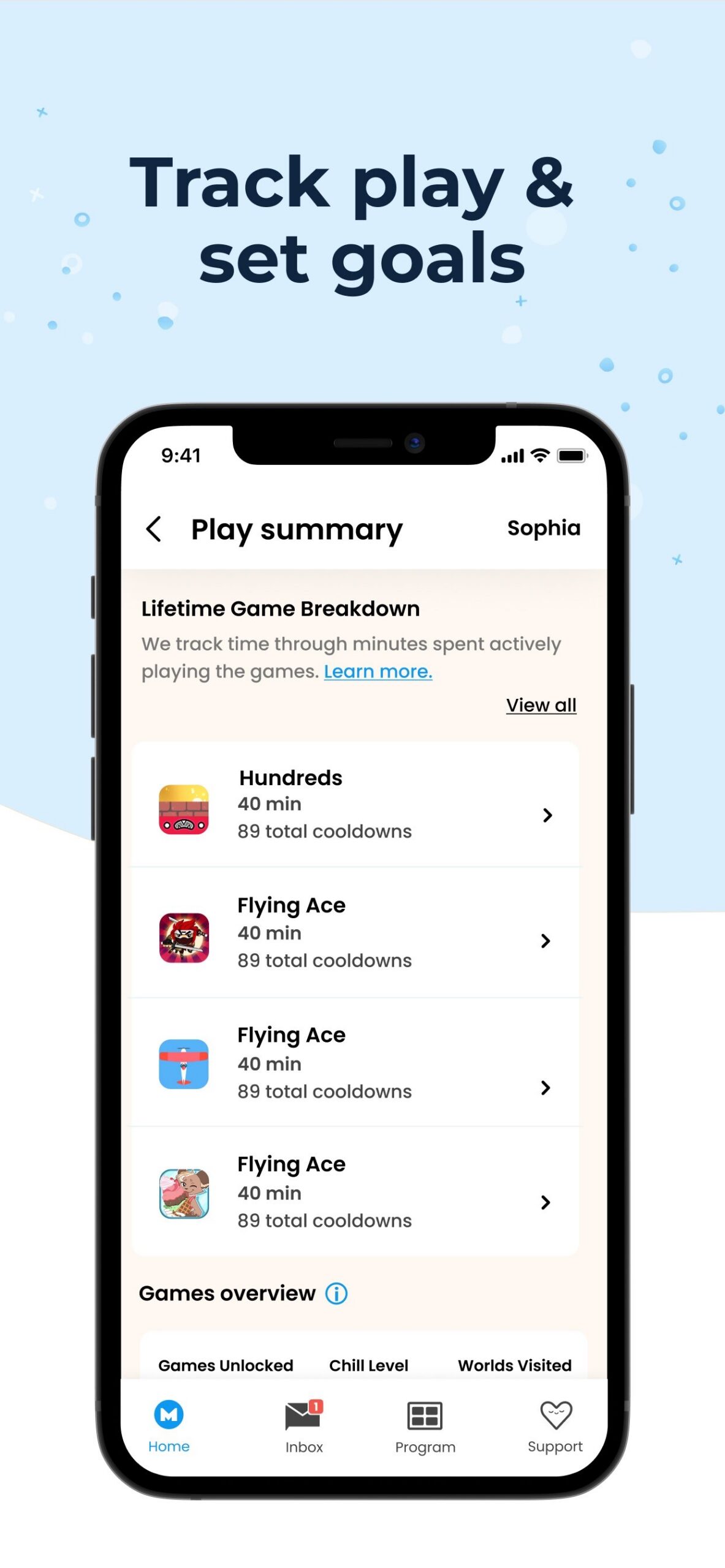
Every game is built around one rule. When a child’s heart rate climbs from frustration, worry, or excitement, the game gets harder: smoke covers the screen in a cooking game, or the player loses the ability to shoot. To get the game back, the child has to calm down, either on their own or by choosing a guided activity such as deep breathing, muscle relaxation, or visualization. The company recommends about 45 minutes a week, split into three 15-minute sessions. A membership includes more than 25 games, the sensor, a deck of conversation cards, monthly “Skill Packs” of offline activities, and a Parent App that tracks play. Mightier is not FDA cleared and is designed to work alongside therapy.
Who is this best for?
Mightier is best for children roughly 6 to 12 whose emotions outrun their brakes: kids who melt down over a lost game, explode when asked to stop an activity, or swing from fine to furious in seconds. That describes many children with oppositional defiant disorder or disruptive mood problems, many children with ADHD, and many autistic children who get overwhelmed during transitions. The strongest research supports its use for anger, aggression, and oppositional behavior. It works best for families who can commit to short, regular play sessions and have an adult who helps the child connect the calming practiced in the game to hard moments at home and school. It is a weaker fit for older middle schoolers, for children who won’t tolerate an armband, and for families looking for a stand-alone fix for severe aggression.
Why Mightier helps
For many families, the hardest part of ADHD is the big emotional reactions that come with it: the fast temper, the low frustration tolerance, the meltdown when a plan changes. Researchers increasingly treat emotional dysregulation as a core feature of ADHD, even though it isn’t in the diagnostic criteria. Mightier targets this piece directly. The game also fits how kids with ADHD learn best. It gives instant feedback, constant small rewards, and short sessions, so kids practice a regulation skill they would tune out if it came as a lecture. A 2024 study of 195 Mightier users, average age about 8, found that on the first day of play, about half the times kids calmed down they used a guided activity. By the last day, that dropped to about one in five, meaning most kids were calming themselves without prompts. Mightier also cites a company white paper and customer data showing benefits for children with ADHD; that ADHD-specific evidence has not been through independent peer review. Mightier won’t improve focus or organization. Its value for ADHD is on the emotional side.How to use Mightier for ADHD
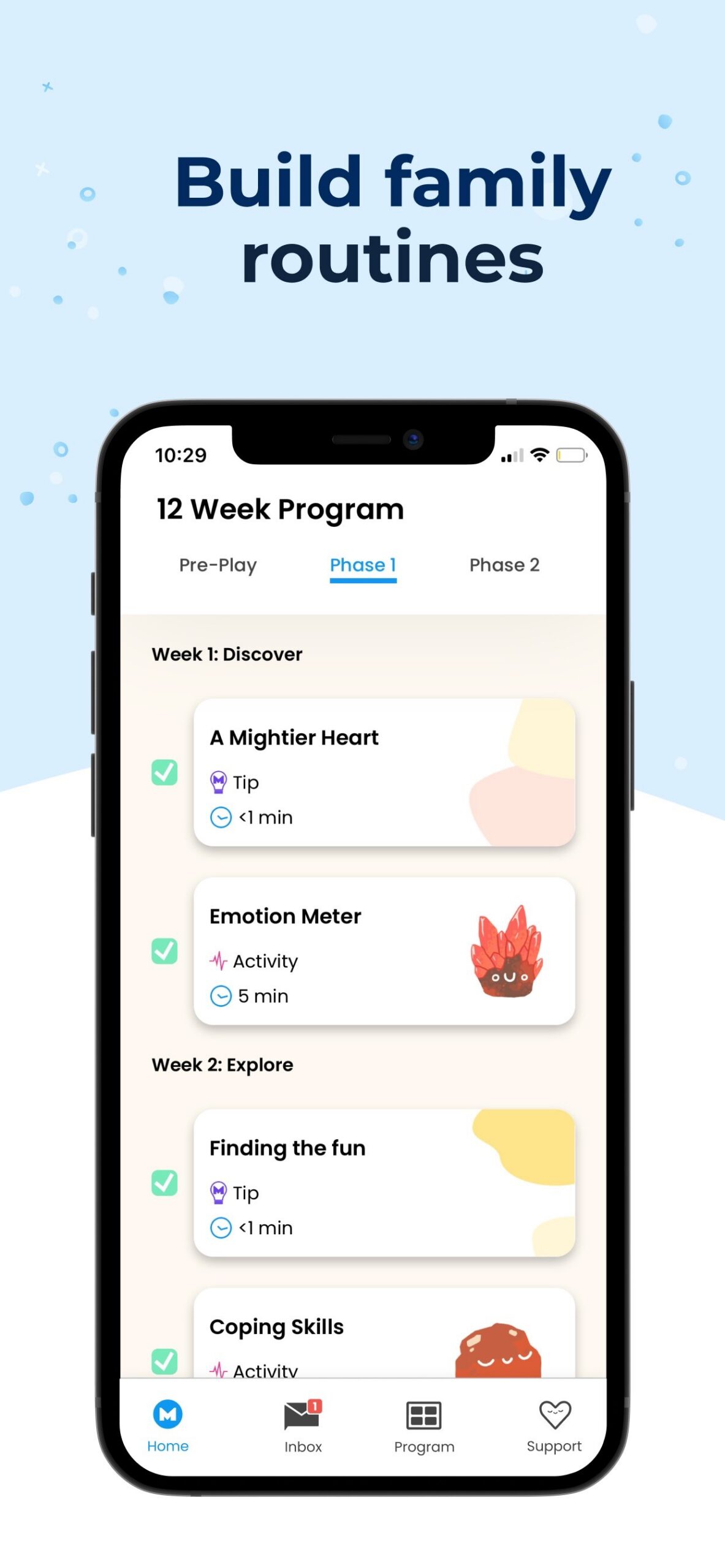
- Put sessions on the calendar. Schedule the three weekly sessions at the same times and set a reminder. Kids with ADHD rarely start a “practice” activity on their own, even a fun one.
- Keep sessions to 15 minutes. Use a visual timer so the end of a session is expected rather than a surprise.
- Consider the dedicated tablet. It has no internet and no other apps, so a Mightier session can’t drift into YouTube. This matters for kids who struggle to stop once a device is in hand.
- Treat the end of the session as practice too. Stopping a game is a real-world regulation moment. Praise a calm handoff as much as a good score.
- Look for patterns. If the child’s heart rate spikes most in fast, competitive games, that hints at which school or sports situations will be hardest, and where to plan ahead.
- Keep the rest of the plan in place. Mightier works on emotional regulation. Medication, behavioral parent training, and school accommodations for attention still do their own jobs.
Why Mightier helps
Many autistic children have trouble recognizing what is happening inside their own bodies until a feeling is already overwhelming. A racing heart and tight shoulders may not register as “I’m getting upset” until a meltdown is underway. Mightier turns that internal state into something a child can see on a screen, which suits the visual, rule-based way many autistic kids prefer to learn. The rules never change: heart rate goes up, the game gets harder; heart rate comes down, it gets easier. That predictability matters for children who find other people’s reactions confusing, and the game offers unlimited, judgment-free repetition. Mightier reports a randomized trial at applied behavior analysis (ABA) clinics in California in which children who added Mightier to their ABA therapy showed a 45 percent improvement in symptoms. That trial is described in a company white paper rather than a peer-reviewed journal, so treat the number as encouraging, not settled.How to use Mightier for Autism
- Introduce the armband before the game. Let the child wear the sensor for a few minutes during a favorite activity so the feel of it is familiar before play begins. Kids with tactile sensitivities may need several tries.
- Explain the rule in plain words. “When your heart goes fast, the game gets harder. When you slow it down, it gets easier.” Many autistic kids engage better once they understand the system.
- Connect body signals to feeling words. Use the included conversation cards to link what the child sees on screen to words like “tight,” “hot,” or “jumpy,” and then to names of feelings.
- Rehearse before predictable hard moments. If transitions are the trigger, play a short session before a known transition, like leaving for school, and use the same breathing during the transition itself.
- Share the data with the child’s team. An ABA therapist, occupational therapist, or school counselor can use the child’s preferred calming strategy in their own sessions.
- Watch for a fixation on collecting. Mightier has characters to collect and worlds to unlock. If those become the whole point, steer attention back to the calming moments.
Why Mightier helps
Children with behavioral and emotional dysregulation usually know they should calm down. What they can’t do is notice the feeling early enough to act on it. Mightier makes that early signal visible. A gauge on the screen, called the Gizmo, rises with the child’s heart rate, and the game gets harder at the exact moment a real meltdown would start, so the child practices calming down under pressure instead of in a quiet office.
The research is promising and comes mostly from the developers. In a 2021 double-blind randomized trial published in Frontiers in Psychiatry, 40 youth ages 10 to 17 with clinically significant anger got 10 sessions of anger control therapy plus either the biofeedback game or a sham version that ignored their heart rate. Both groups reported feeling less angry. But parents in the biofeedback group reported larger drops in aggression and oppositional behavior, and clinicians rated their anger as less severe. The researchers concluded that the game gave kids more control over what they did when angry, even though it didn’t change how angry they felt. Across its trials, the company reports a 62 percent reduction in outbursts and a 40 percent reduction in oppositional behavior.
How to use Mightier for Behavioral and Emotional Problems
- Introduce it on a calm day. Start sessions when the child is regulated, never as a consequence after a blowup. Kids who see Mightier as punishment resist it.
- Sit nearby for the first week. The game gets harder when kids get upset, which is frustrating on purpose. Stay close enough to coach a breath or a pause if that frustration tips into a meltdown.
- Name the skill in real life. When the child calms down after a hard moment at home, connect it out loud: “That was like bringing the Gizmo back down.” This bridge is what carries the skill out of the game.
- Keep Mightier out of the screen-time economy. Don’t make Mightier play a reward to earn or a privilege to lose. Treat it like practice on a set schedule, for example Monday, Wednesday, and Friday after snack.
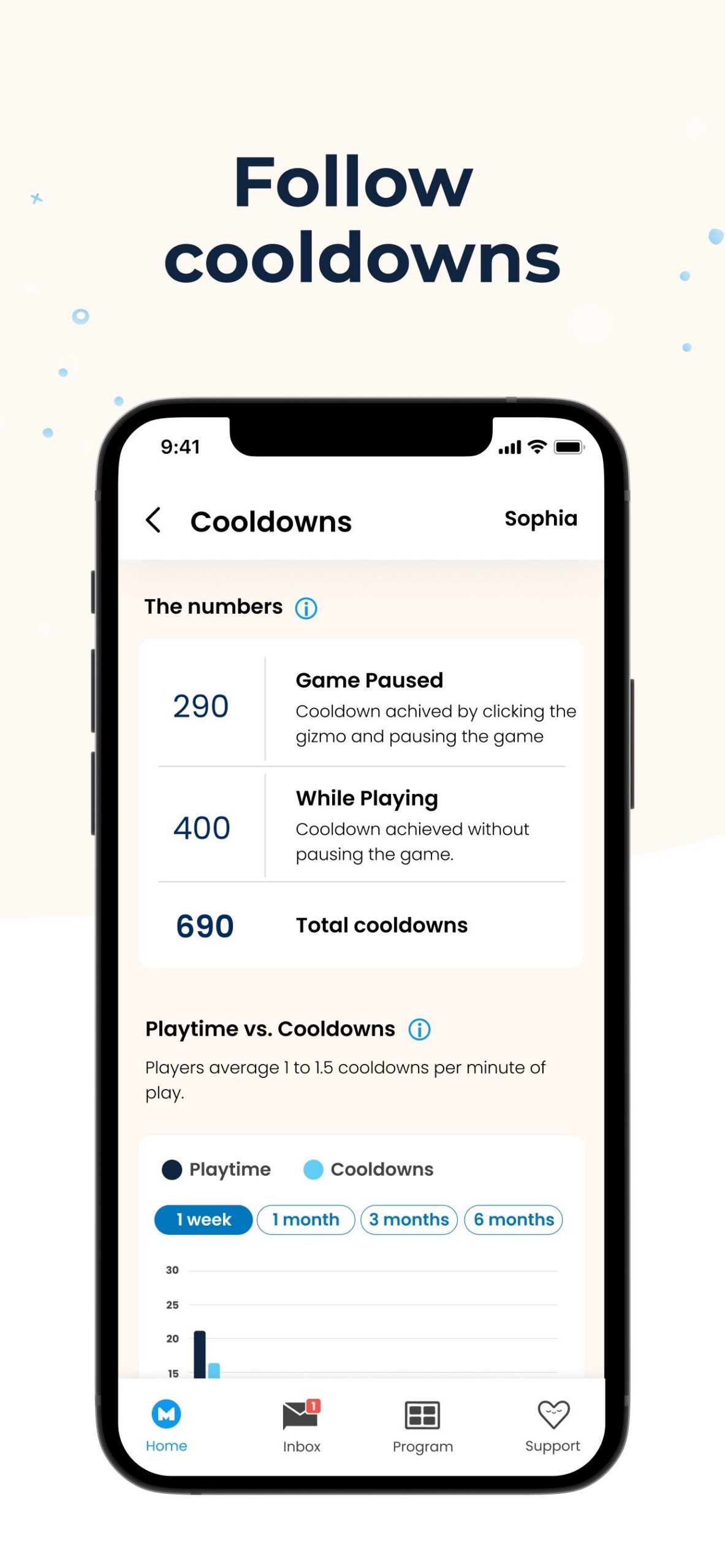
- Check which calming strategies the child picks. The Parent App shows which cool-down activities the child gravitates toward. If it’s breathing, build that same breathing into the household plan for known flashpoints, like ending screen time.
- Bring the child’s therapist in. Mightier’s best evidence comes from use alongside therapy. A clinician can reinforce the same strategies in session.
Limitations and Things to Watch For
- Cost. A year of Mightier costs $336 to $480 depending on the plan, plus shipping, and the 90-day money-back guarantee doesn’t cover shipping. HSA and FSA funds can be used.
- The research is small and mostly in-house. The strongest study is a 40-person randomized trial, and in that study Mightier was added to weekly therapy rather than used alone at home. The 62 percent drop in outbursts and the “87 percent of families see improvement in 90 days” figures come from the company.
- Frustrating by design. The game gets harder when kids get upset. That is how it teaches, but some children will melt down over the game itself, especially early on. An adult nearby during the first sessions helps.
- Heart rate isn’t the same as emotion. Excitement, physical activity, a warm room, and some medications all affect heart rate. A child who just came in from recess may find the game harder for reasons that have nothing to do with feelings.
- Skills don’t transfer on their own. A child who gets good at calming down in a game won’t automatically do it in a classroom unless adults help connect the two. That is why the offline Skill Packs and the parent’s role matter.
- The armband. The games can’t be played without the sensor, and some children with sensory sensitivities won’t tolerate it.
- Older kids may find it young. The cartoon worlds are pitched at elementary-age kids, and the App Store listing targets ages 6 to 12 even though the company markets to 14.
- No AI, chat, or mature content. Mightier doesn’t use generative AI and has no chat or social features. The company says its apps comply with HIPAA and COPPA, the federal children’s online privacy law.
- Not a stand-alone treatment for severe aggression. Kids who are hurting others, destroying property, or getting suspended need a full evaluation and an evidence-based behavioral treatment plan, with Mightier as a possible add-on.
Bottom Line
Mightier takes one of the hardest things to teach a dysregulated child, noticing a feeling early and bringing it back down, and turns it into a game kids want to play. The design grows out of more than a decade of work at Boston Children’s Hospital, and a small double-blind trial found that kids who played the biofeedback version alongside therapy showed bigger drops in aggression and oppositional behavior than kids who played a sham version. It is a strong fit for children 6 to 12 with explosive tempers, oppositional behavior, ADHD-related emotional swings, or autism-related meltdowns, especially when a therapist or teacher can reinforce the same skills. It is also costly, frustrating on purpose, and dependent on adults to carry the skill from the screen into daily life. Treat it as structured practice, three short sessions a week inside a broader plan, and watch whether calmer moments start showing up away from the tablet. If they haven’t by the 90-day mark, the money-back guarantee gives families a way out.







Join our Newsletter!
Related Articles