
Overview
Habio is more than a simple checklist app. What makes it distinctive is a built-in coaching layer that teaches users how to build habits — not just log them. When a child opens the app for the first time, they are guided through choosing a single habit they want to develop, deciding how often to practice it, and learning strategies for sticking with it over time.
This pedagogical element is particularly valuable for neurodivergent children, who may never have had the opportunity to learn the meta-skill of habit formation. Habio walks users through concepts like implementation intentions (planning exactly when and where you will do something), environmental design (making the habit easier to start), and social support, and even quizzes them at the end of the training period to check comprehension.
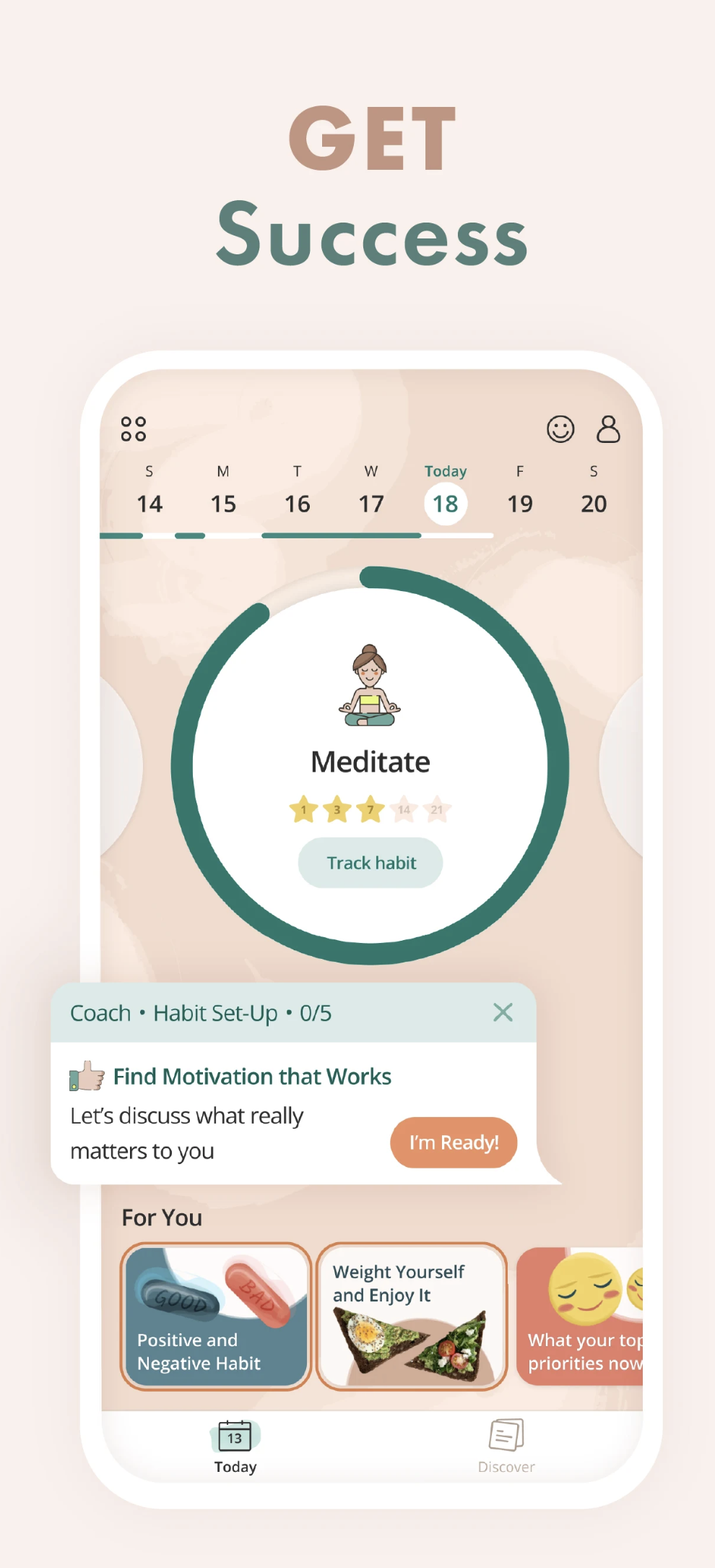
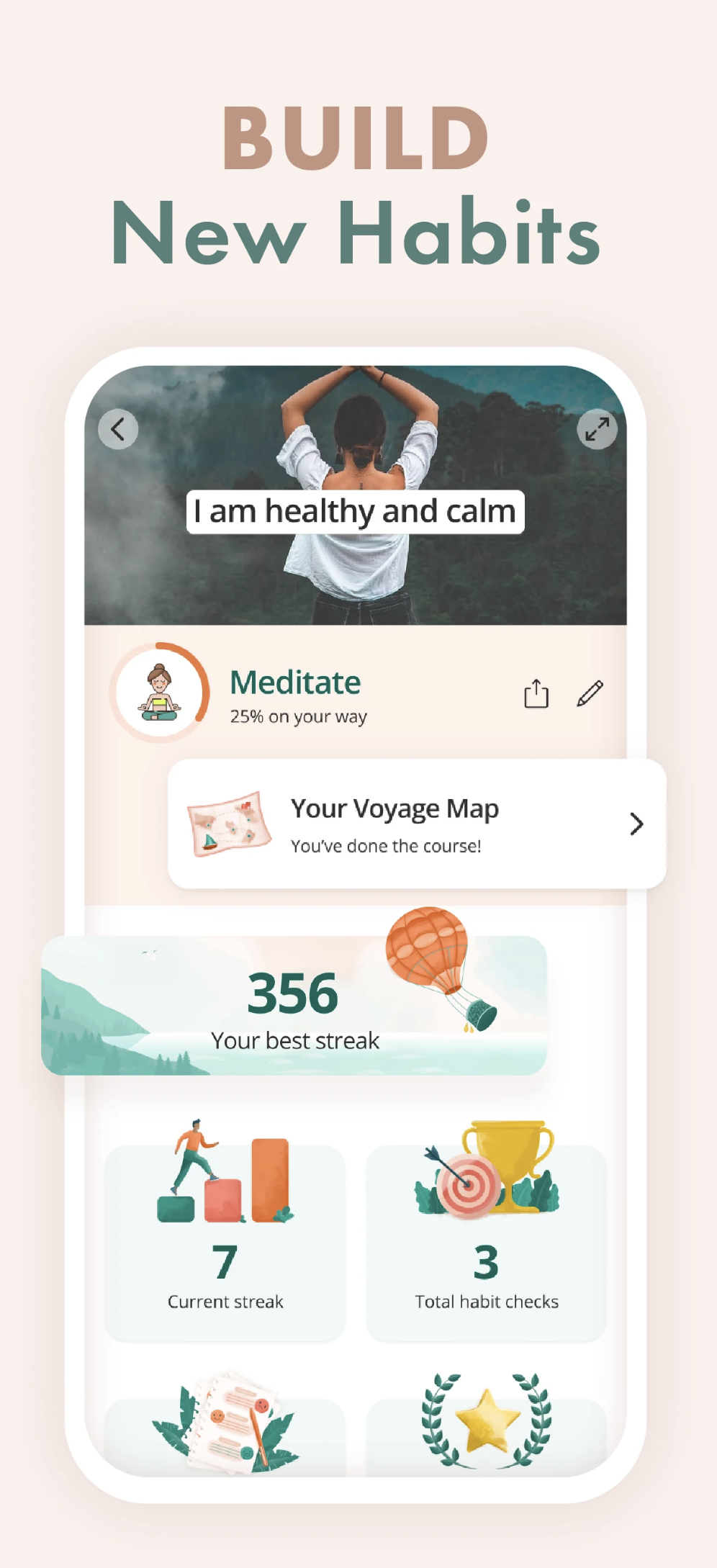
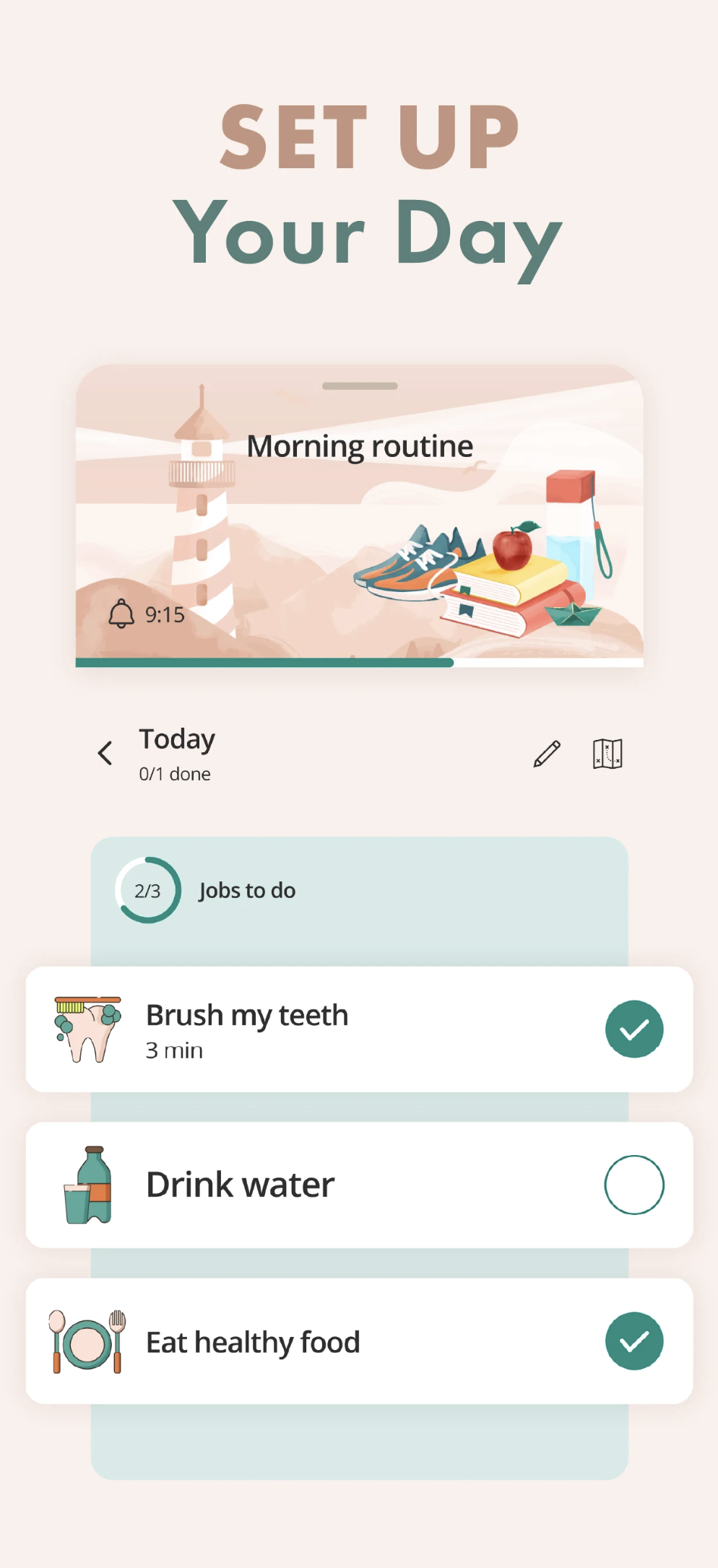
Once set up, the daily experience is simple: users see their habits for the day, tap to mark each one complete, and watch their streak counter grow. A journaling tab invites honest reflection on successes and challenges, which is particularly useful for children processing anxiety, depression, or emotional dysregulation.
The combination of structured coaching, low-friction daily check-ins, and reflective journaling makes Habio a more therapeutically rich tool than most habit trackers — and a meaningful complement to behavioral or therapeutic goals set by clinicians.
Who is this best for?
Habio is a strong fit for children and teens who benefit from structured routines, visual progress feedback, and step-by-step guidance on how to build habits. It is especially useful when working on building independence in daily tasks or when a child is starting a new therapeutic routine (e.g., medication reminders, daily exercise, or calming strategies). A caregiver’s involvement is recommended for children under 10 or those who need help setting up the app initially.
Limitations and Things to Watch For
No app is the right fit for every child. Caregivers and clinicians should be aware of the following considerations before or while using Habio:
- Reading ability required. The app’s training content, journaling feature, and habit setup process all involve reading. Children who are not yet fluent readers will need caregiver support to navigate the app and may not be able to use it independently.
- Streak anxiety in perfectionist kids. For children with significant anxiety, particularly those prone to perfectionism or all-or-nothing thinking, the streak feature can backfire. Prepare the child in advance for the possibility of a broken streak and emphasize that it is simply a reset, not a failure. Consider whether the streak display should be minimized or discussed with a therapist.
- Caregiver setup is recommended for younger users. The recommended age of 4+ reflects use with significant caregiver involvement. Children under approximately 8–9 years old are unlikely to benefit from the app’s training content without adult guidance during setup and initial use.
- The app does not replace clinical support. Habio is a useful supplement to behavioral, occupational, or mental health therapy — not a replacement for it. Caregivers working with a clinician should share which habits are being tracked so the app’s goals align with therapeutic goals.
- In-app purchases. Some features may require payment. Review the app’s current pricing before introducing it to a child to avoid interruptions to their routine.
Bottom Line
Habio stands out from other habit trackers because it teaches children how to build habits, not just whether they completed them. For neurodivergent children — who may never have had explicit instruction in planning, follow-through, or self-regulation — this coaching layer is genuinely meaningful. Used consistently with caregiver support and aligned with therapeutic goals, Habio can be a practical, low-friction tool for building independence and daily structure.
Related Guides









Join our Newsletter!
Related Articles