Overview
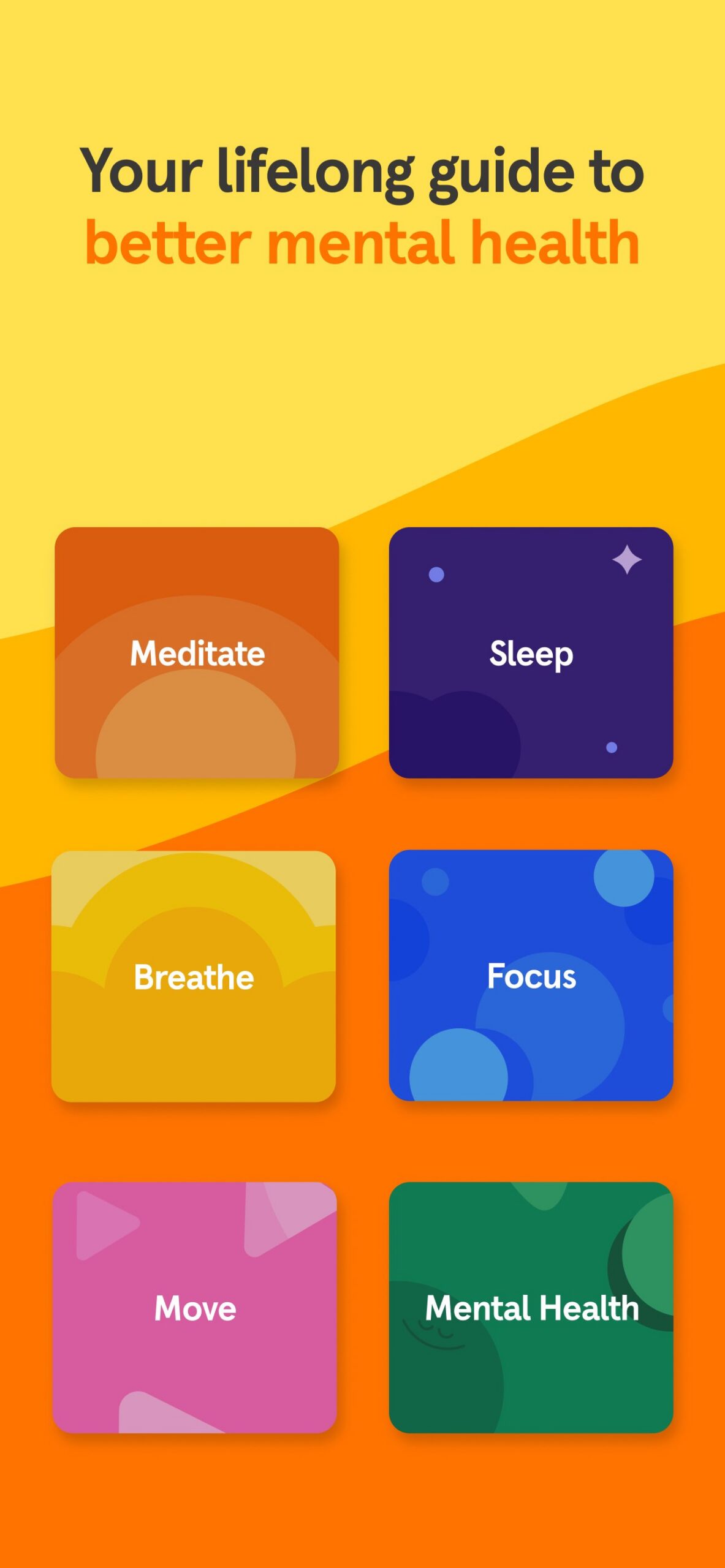
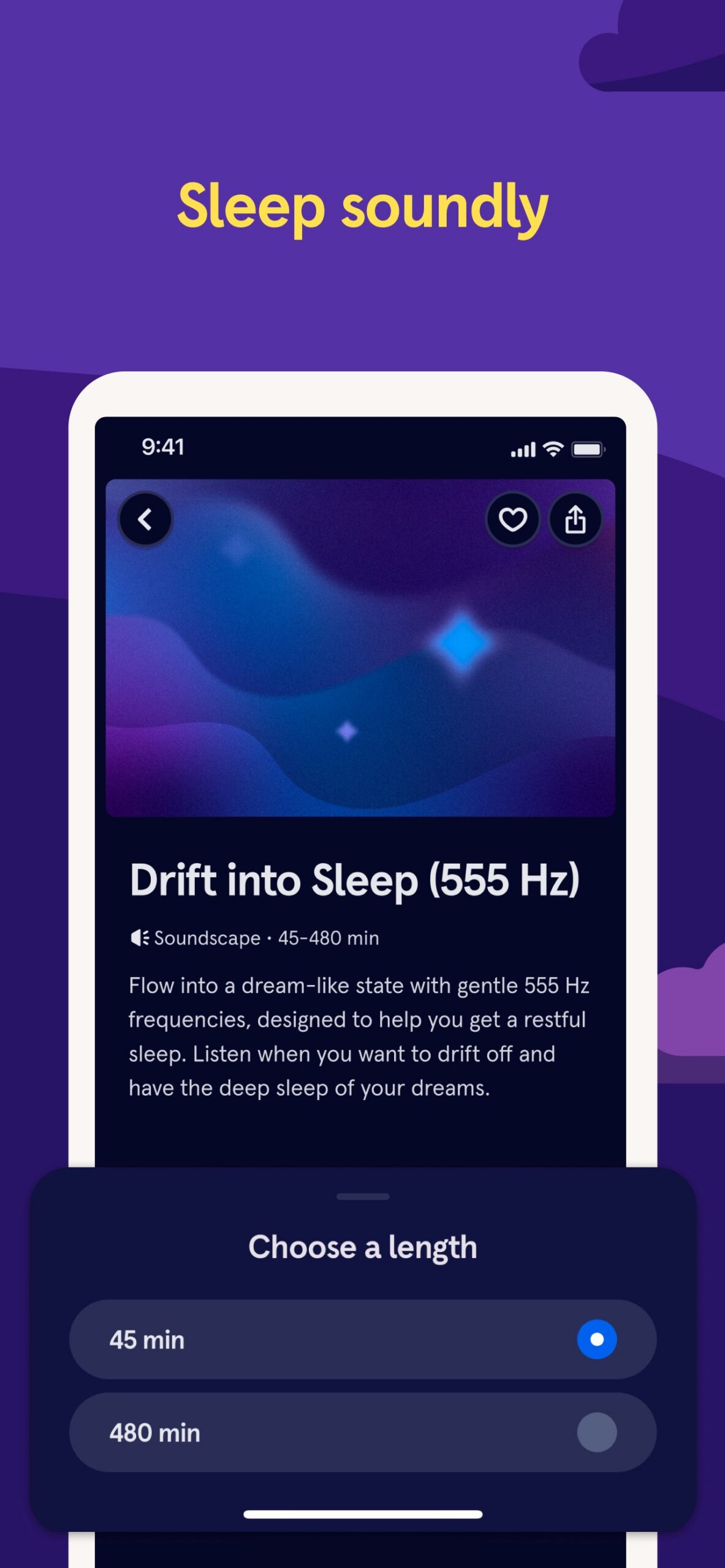
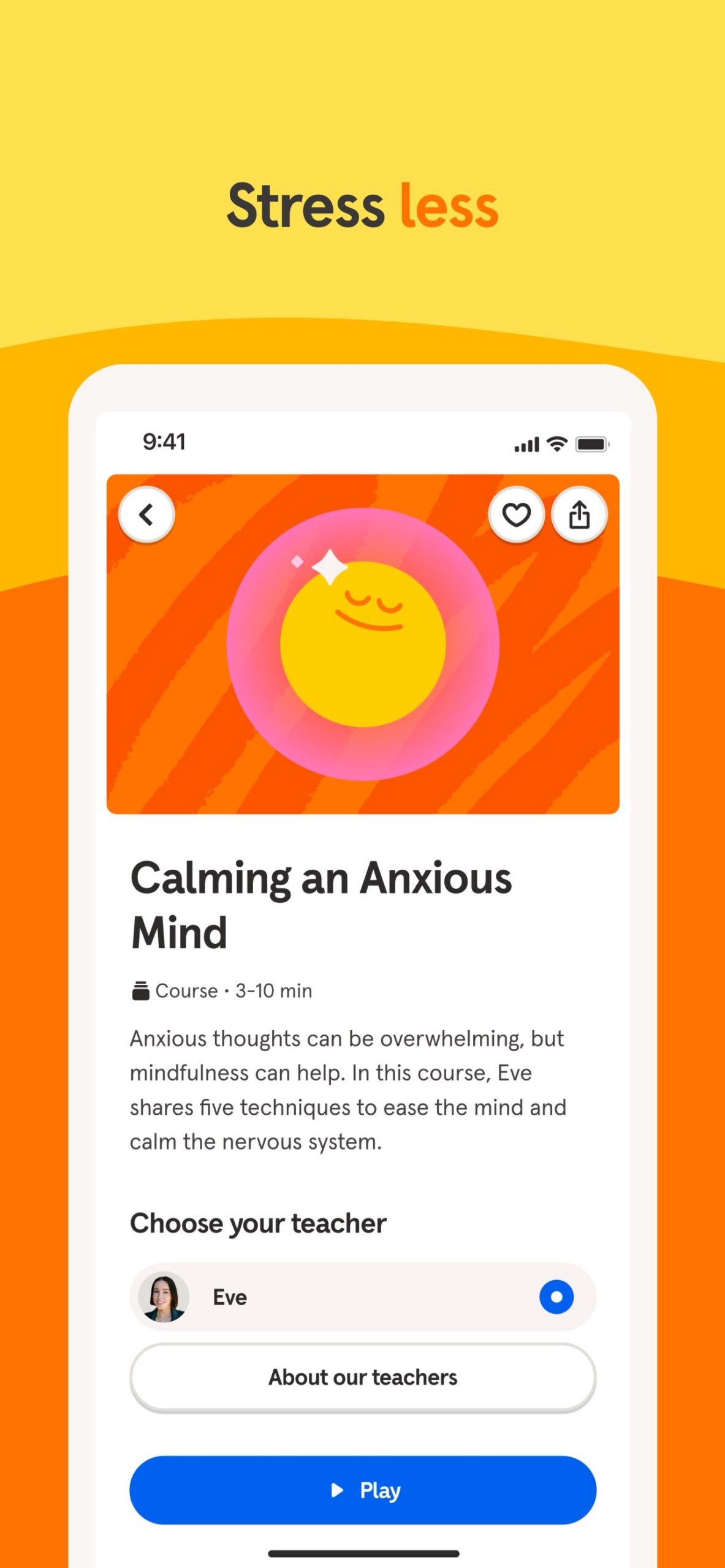
Headspace is one of the best-known meditation and mindfulness apps. It was founded in 2010 by Andy Puddicombe, a former Buddhist monk whose voice still guides many of its core courses, and Rich Pierson. The app holds more than 1,000 guided exercises: short meditations for stress and anxiety, breathing exercises, “sleepcasts” and wind-down audio for bedtime, focus music, movement sessions, and multi-week courses, including a 21-session Anxiety and Depression Program that blends mindfulness with cognitive behavioral therapy. Sessions run from one minute to about 20. Headspace also sells mental health coaching and therapy, and paid adult members get Ebb, an AI chatbot companion.
Headspace is built for adults, and parents should know that before signing up. Its terms limit regular accounts to people 18 and older. Teens 13 to 17 can get access only through specific programs, such as a parent’s employer or health plan benefit, and the free Headspace for Teens program ends December 31, 2026. Children under 13 can’t have accounts at all. Headspace’s kids’ content is meant for a parent to play and practice alongside the child.
Who is this best for?
Headspace is best for teens with anxiety or depression symptoms who are willing to try a few minutes of practice a day, and for kids with ADHD who struggle with sleep, stress, and emotional ups and downs. For children under 13, it works as a parent-led tool: an adult plays a short breathing exercise or bedtime wind-down and does it with the child. Teachers and clinicians can use it to learn simple mindfulness techniques to teach in their own words. It fits best as a skill-building supplement for mild to moderate symptoms or as a companion to therapy; it is not a treatment for clinical anxiety or depression. Kids with severe depression, self-harm, or trauma symptoms should use it only with a clinician’s guidance.
Why Headspace helps
Mindfulness asks a person to notice where their attention has wandered and bring it back, which is close to a direct workout for the skills ADHD makes hardest. It also addresses the emotional side of ADHD, the quick temper and low frustration tolerance that many families find harder to live with than inattention. A 2022 meta-analysis of 11 randomized trials found that mindfulness programs for children and teens with ADHD produced a moderate-to-large improvement in ADHD symptoms (an effect size of 0.77) and lowered parents’ stress as well. Those studies tested structured programs, often in-person groups that included parents, so expect smaller effects from an app used alone. Headspace’s advantages for ADHD are practical. Many sessions are short enough for a restless kid to finish. The focus music gives some kids a steady background for homework. And the sleep content can help with one of the most common and overlooked problems in ADHD, trouble winding down at night. Because sitting still is hard for many kids with ADHD, the movement sessions may be a better starting point than seated meditation.How to use Headspace for ADHD
- Attach it to an existing routine. Tie a three-minute exercise to something that already happens, like right after brushing teeth, so it doesn’t depend on remembering.
- Try movement first. For a kid who can’t sit still, start with a movement session and work toward seated practice later.
- Test the focus music on homework. Try it for a week and compare with a week of quiet. Some kids focus better with it; others find it one more distraction.
- Practice side by side. Parents benefit too, and the research found lower parenting stress. Doing a short session together also models the habit.
- Use bedtime audio instead of a screen. Start a wind-down with the lights off and the phone out of reach, so the child isn’t tempted to scroll.
- Teachers: learn it, then lead it. Use a free Headspace for Educators account to learn a few short breathing techniques, then guide students through them in your own words before tests or after recess.
Why Headspace helps
Anxiety pulls a child’s attention forward, toward everything that could go wrong. Mindfulness practice trains the opposite move: noticing a worried thought, labeling it, and bringing attention back to the breath or the body without arguing with the thought or obeying it. That skill sits close to what cognitive behavioral therapy teaches anxious kids, and Headspace delivers it in short, low-pressure sessions that a nervous child can try in private.
The research on mindfulness for young people is modest but real. A 2018 analysis in the Journal of Child Psychology and Psychiatry pooled 33 randomized trials with more than 3,600 children and teens and found that mindfulness programs reduced anxiety and stress, and a 2022 update by the same team found the anxiety benefit held up even against active comparison activities. Headspace’s own Anxiety and Depression Program was tested in a 2025 randomized trial of 168 adults with moderate symptoms. Anxiety scores dropped 34.5 percent by the end of the study, compared with almost no change in a waitlist group. That trial was funded by Headspace and included only adults.
How to use Headspace for Anxiety
- Practice on calm days. A breathing skill learned on an ordinary afternoon is much easier to reach for during a panic than one tried for the first time mid-panic.
- Start with the shortest sessions. One- to three-minute exercises are a better entry point than a 20-minute course for a child who already feels pressure to do things right.
- Attach it to a known stressor. Use the same short breathing exercise before the bus ride to school or before a test, so the practice becomes routine rather than a rescue.
- Watch for avoidance. If a teen reaches for a meditation every time a feared situation comes up and then skips the situation, the app is feeding the anxiety. The goal is to calm down enough to go.
- Head off perfectionism. Anxious kids may worry they’re “doing it wrong.” Tell them a wandering mind is normal, and noticing it wander is the exercise.
- Clinicians: assign specific sessions. Instead of “try Headspace,” name the course or exercise to practice between appointments and ask about it at the next one.
Why Headspace helps
Depression keeps itself going partly through rumination, the habit of replaying the same negative thoughts over and over. Mindfulness gives a teen a way to step back and see those thoughts as thoughts rather than facts. Mindfulness-based cognitive therapy, which combines that skill with CBT, is an established treatment for preventing depression relapse in adults, and Headspace’s courses borrow from the same toolbox.
The youth research is encouraging but mixed. In the 2018 analysis of 33 trials, mindfulness programs reduced depression symptoms in children and teens, and the 2022 update found that benefit no longer held up against active comparison activities once more studies were added. In a 2019 trial with 208 university students, ten days of Headspace improved depressive symptoms compared with a note-taking app, though use dropped off sharply once the 10 days ended. In Headspace’s 2025 adult trial, its Anxiety and Depression Program cut depression scores by about a third. The sleep content may matter as much as the meditations, since poor sleep both comes with depression and makes it worse.
How to use Headspace for Depression
- Lower the bar for starting. Depression drains motivation, so a one-minute session counts. Put the app on the home screen and suggest one exercise at the same time each day.
- Use the sleep content to protect bedtime. A wind-down or sleepcast can replace late-night scrolling, which tends to worsen low mood. Start the audio, then put the phone face down or across the room.
- Pair it with movement. Headspace’s movement sessions combine mindfulness with exercise, one of the strongest non-medication supports for mood.
- Check in about how it feels. For some people, sitting quietly with their thoughts makes low mood feel worse at first. Ask, and switch to shorter or more active sessions if that’s happening.
- Keep the humans involved. Headspace is a supplement. A teen with ongoing low mood, irritability, or withdrawal needs an evaluation, and any mention of self-harm calls for contacting a clinician or the 988 Suicide and Crisis Lifeline right away.
Limitations and Things to Watch For
- Age rules. This is the biggest practical problem. Headspace’s regular subscriptions are for adults. Teens can use it only through an employer or health plan benefit, or through the free Headspace for Teens program until it ends December 31, 2026. For younger kids, Headspace works only as a parent-run tool. Headspace also offers a free YouTube playlist of guided practices for teens that doesn’t require an account.
- Ebb, the AI companion, is adults-only. Headspace’s terms limit Ebb to users 18 and older. Headspace says conversations are encrypted and that Ebb has safeguards to point users toward crisis support, but Ebb isn’t monitored by a person in real time. Common Sense Media and Stanford’s Brainstorm Lab have found that general AI chatbots routinely miss warning signs in teens and can stand in for the human connection anxious or depressed kids need. If a teen uses a parent’s account, Ebb comes with it, so talk about it directly or keep the account in adult hands.
- Meditation isn’t right for everyone. Headspace’s own terms note rare reports of people with anxiety or depression whose symptoms worsened with intensive meditation, and they advise people with mental health conditions to check with a provider first. Kids with trauma histories may find some body-focused exercises upsetting.
- Use tends to fade. In the university student trial, fewer than 20 percent kept using the app twice a week once the structured period ended. A subscription that sits unused helps no one.
- Cost. After the free trial, Headspace costs $12.99 a month or $69.99 a year, renews automatically, and isn’t refundable. Coaching and therapy cost extra.
- Content. There is no mature content in the meditation library, though many courses are written for adults and deal with work stress, relationships, and grief.
Bottom Line
Headspace is a polished, well-studied way to learn mindfulness, and mindfulness has real, if modest, evidence for easing anxiety, stress, and depressive symptoms in young people, along with some promise for ADHD. Its short sessions, sleep content, and focus music make it practical for kids who would never sit through a long meditation. The catch is that it was built for adults. Teens can get their own access only through limited programs, younger kids need a parent running the app, and the Ebb chatbot is off-limits to anyone under 18. Families get the most from it when an adult sets it up as a shared routine: a two-minute breathing exercise before school, a wind-down audio track in place of late-night scrolling, a specific course assigned by a therapist. Used that way, Headspace can teach skills a child keeps after the subscription ends. It works best as support for treatment of anxiety, depression, or ADHD. If a child’s symptoms are getting worse, call a clinician.
Related Guides









Join our Newsletter!
Related Articles